How to Design a New Kitchen That Feels Original to Your Home
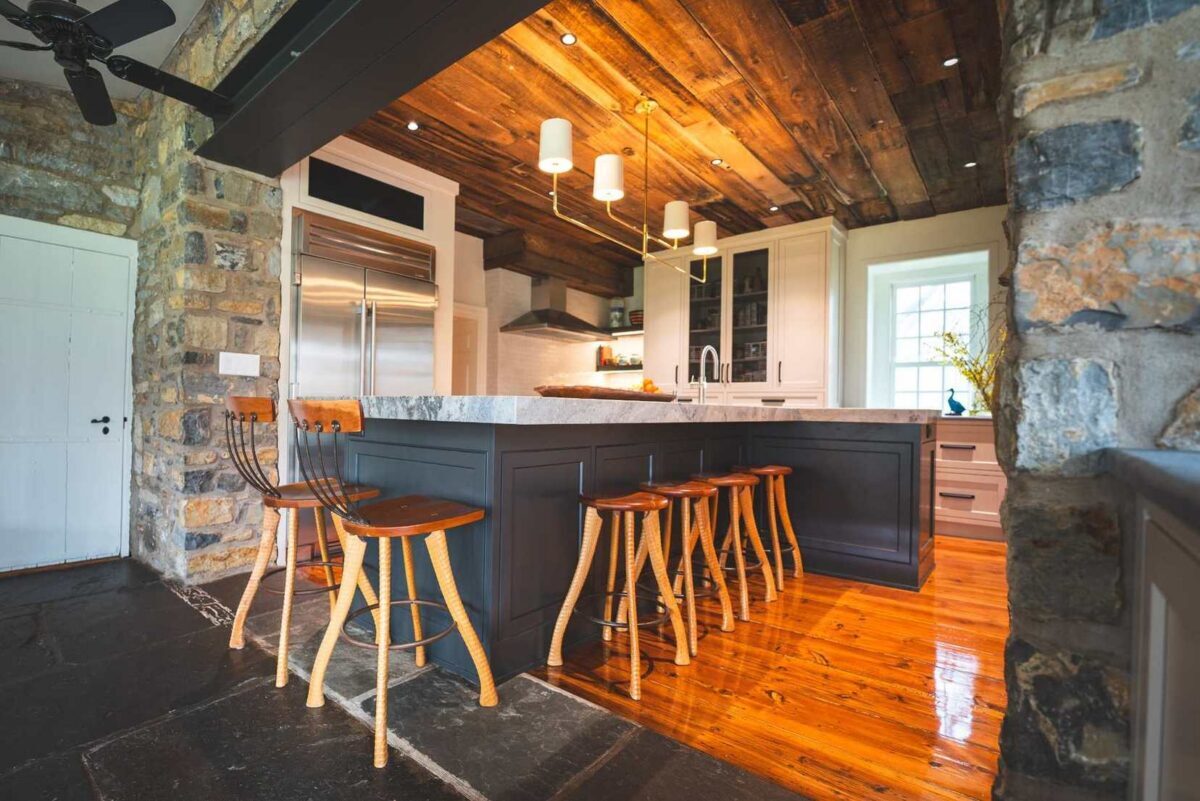
Designing a new kitchen that feels original to your home requires balancing modern function with historic charm. Homeowners achieve this by drawing inspiration from existing architectural details, choosing period-appropriate cabinetry construction, matching original moldings, and integrating professional-grade appliances that blend seamlessly into custom-built cabinetry designs.
When embarking on a kitchen remodel, the greatest challenge is creating a space that feels like a natural extension of your home rather than an anachronistic new build. In the Lehigh Valley, our homes have distinct historic roots, spanning from early 20th-century Victorians to mid-century ranches and classic colonial properties. Partnering with a designer who knows how to honor these eras is key to achieving a stunning, cohesive result that elevates both beauty and function.
Draw Inspiration from the Home’s Architecture
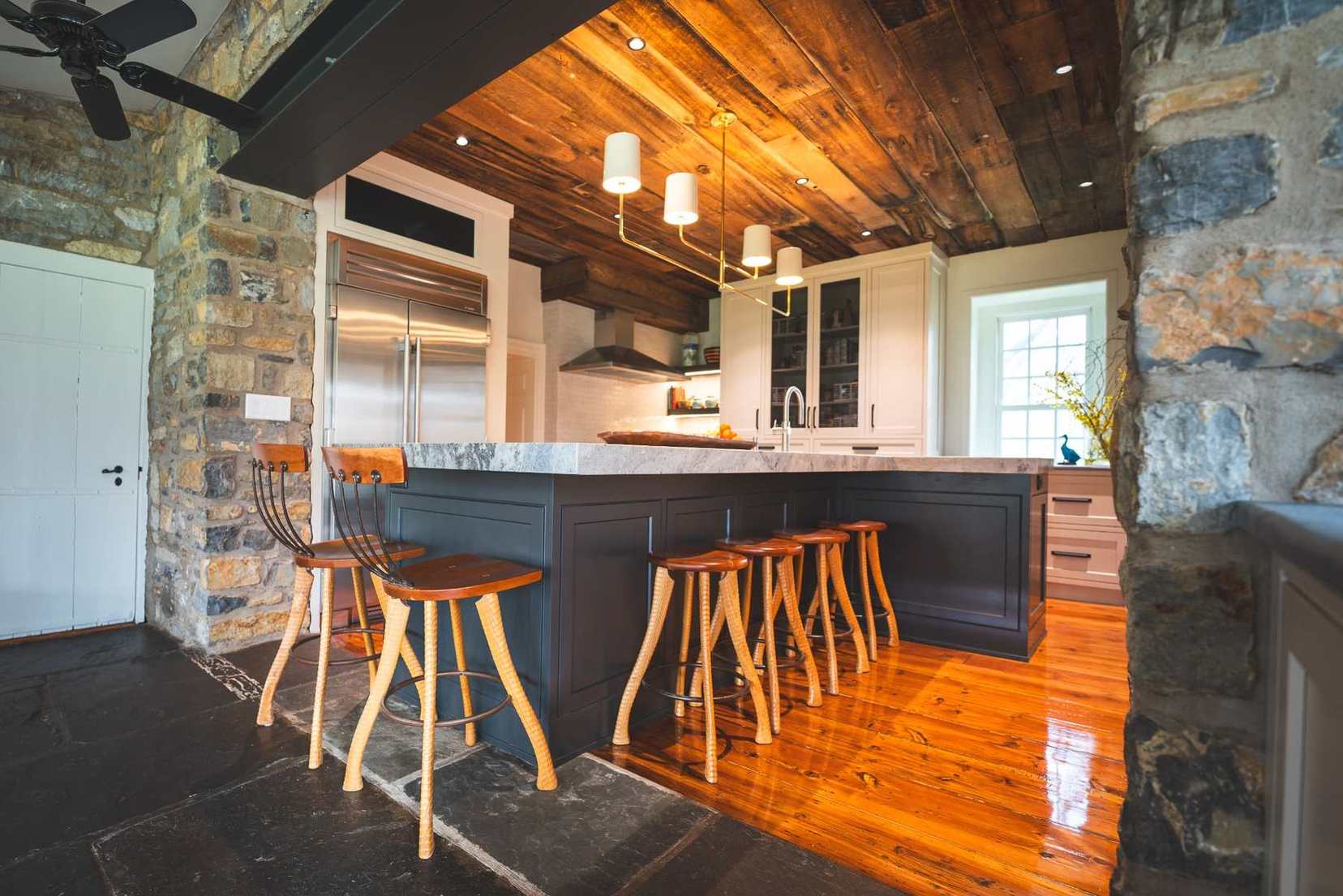
Study the architecture before selecting cabinet colors or countertops. Window proportions, ceiling height, trim profiles, flooring, door styles, fireplaces, and adjoining rooms all provide clues about what belongs. A new kitchen should feel connected to those details even when the room is substantially changed. For a historic kitchen remodel, that can mean preserving cues such as inset doors, traditional molding, warm wood, or furniture-like cabinetry while improving the layout. Laslo’s custom kitchen remodel cleverly blends modern and colonial styles in Allentown PA is a strong example. Flush inset cabinetry, beehive pendants, and colonial references sit comfortably beside a Sub-Zero refrigerator, Wolf range, concealed hood, and hidden television.
Use Cabinetry Proportions That Suit the Room
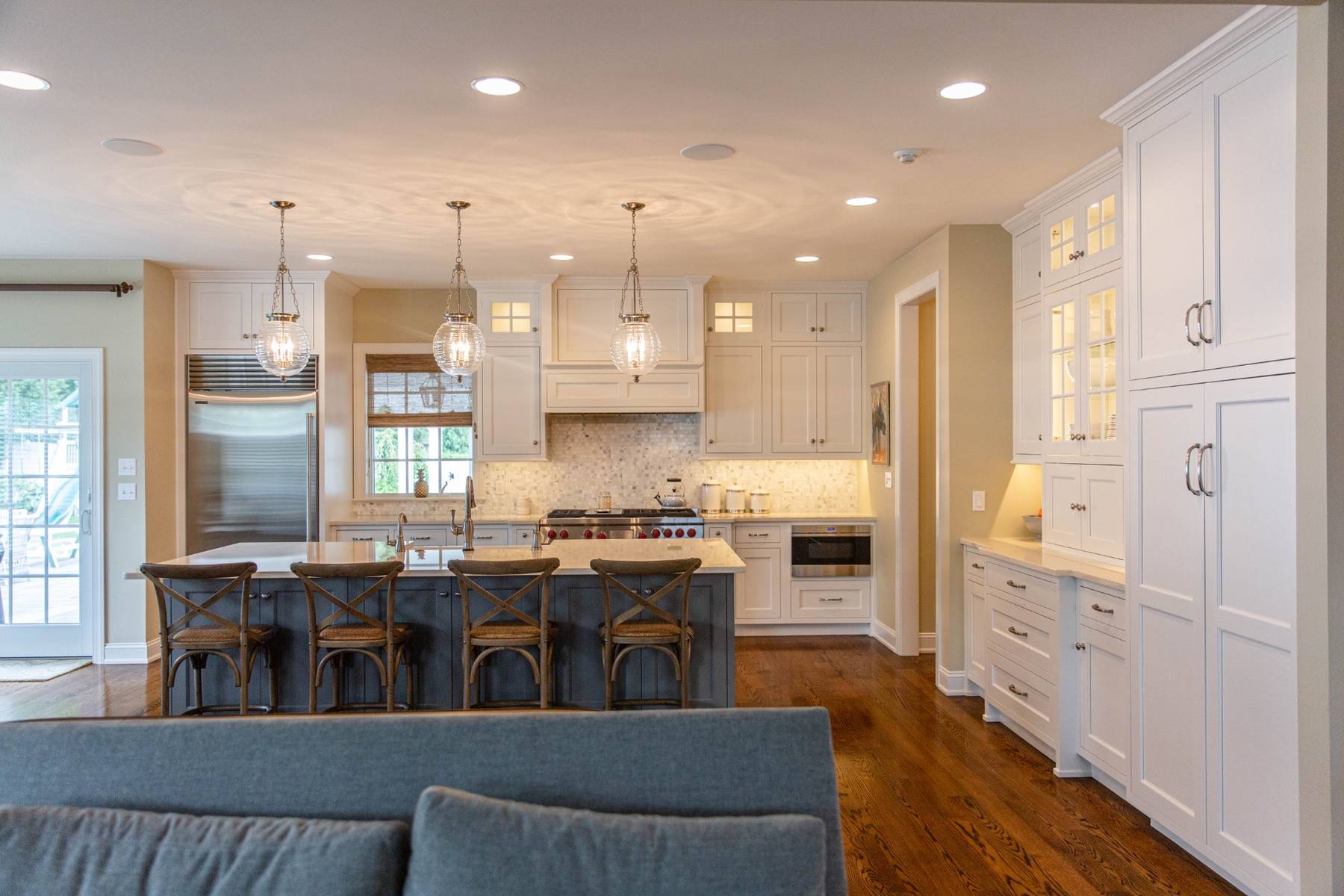
Proportions are the quiet foundation of an elegant interior. When designing a new kitchen, many homeowners make the mistake of using standard, off-the-shelf cabinetry that ignores the room’s actual scale. For a truly timeless kitchen design, cabinetry must be scaled to the room’s specific proportions. In high-ceilinged homes, utilizing stacked moldings or floor-to-ceiling custom cabinets draws the eye upward and emphasizes vertical height, while low-ceilinged spaces require horizontal orientations and clean lines to maximize visual openness.
Select Inset, Framed, or Overlay Construction
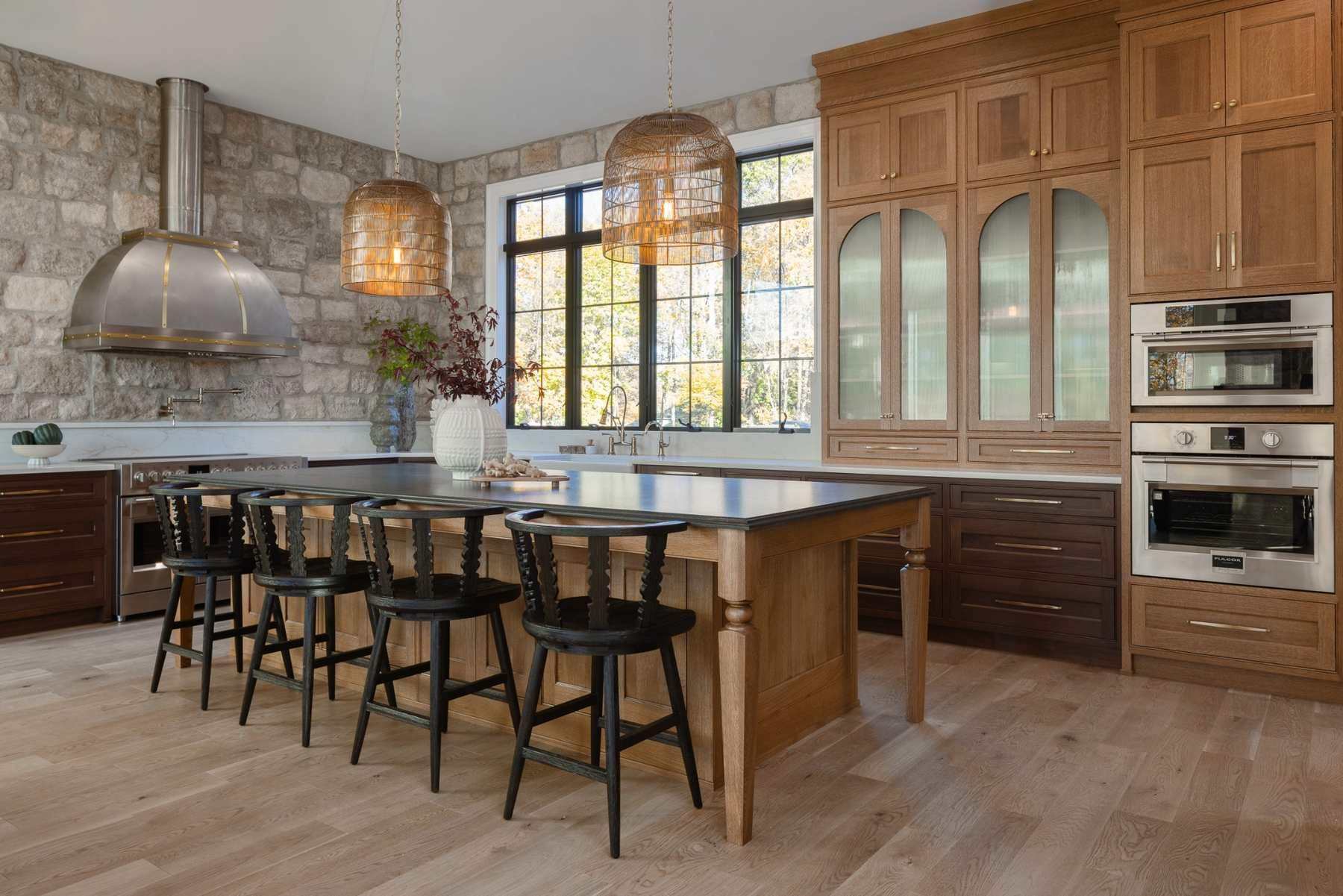
The construction style you select for your cabinet doors sets the stylistic timeline for your home. While overlay cabinets offer a modern appearance, inset cabinetry represents the peak of traditional, high-end millwork. A spectacular real-world example of this is the walnut and white oak kitchen remodel in Emmaus, PA, where Swine Design and Laslo Custom Kitchens utilized 3/8-inch beaded inset construction with Blum hinges. This choice allowed the custom kitchen cabinetry to behave like fine, permanent woodwork. Walnut base cabinets ground the working perimeter, while white oak uppers add a lighter vertical presence. Choosing this framed construction style when planning your new kitchen ensures a clean, elegant look.
Match Moldings and Millwork to Existing Details
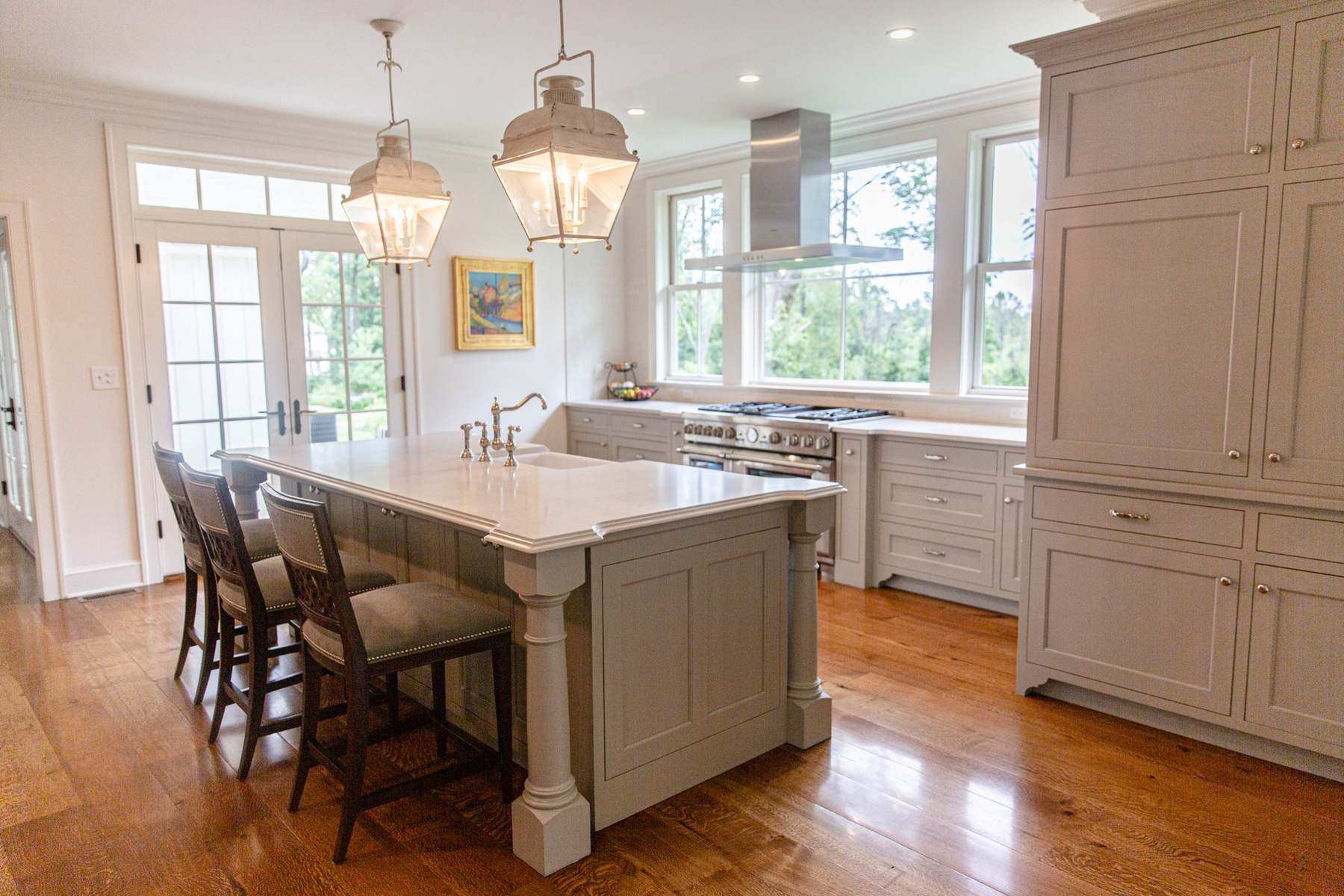
One of the quickest ways to disrupt the visual flow of an older home is to install standard, generic trim. To ensure your new kitchen matches the rest of your home, your cabinet crown moldings, window trim, and baseboards must replicate the profiles found in the original living areas. In a thoughtful architectural kitchen design, designers stack moldings and use custom bell routs or flat reveals to bridge the cabinet-to-ceiling transition. This meticulous replication of detail ensures your cabinetry feels integrated into the home’s original woodwork rather than appearing as a modern addition.
Introduce Natural Wood, Painted Finishes, and Furniture-Style Elements
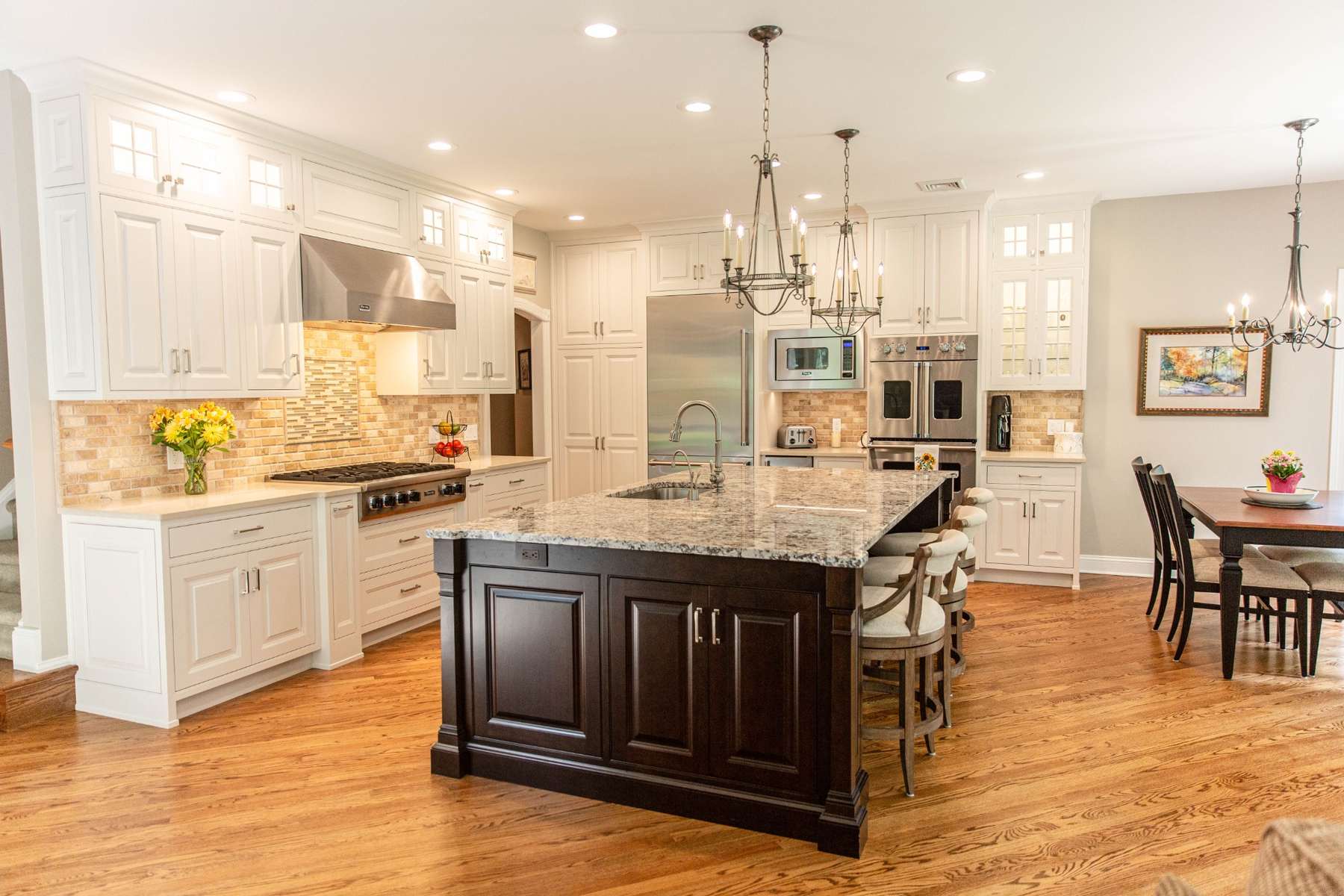
One cabinet finish throughout is not the only way to create cohesion. Introducing mixed wood species, hand-applied stains, and furniture-style elements brings immediate depth to your space. This approach is highly effective in transitional kitchen design, where you want to balance classic and modern styles. For inspiration, explore the modern Tuscan kitchen designed for gathering, which uses a weathered “E” finish on Cherry for the Hawthorne door style on the kitchen island, wood range hood, and hutch. These rich wood textures are paired with Classic White painted cabinets on the perimeter, preventing the new kitchen from feeling flat. Adding elements like brushed steel chandeliers completes the warm, curated look.
Integrate Modern Appliances Without Disrupting the Design
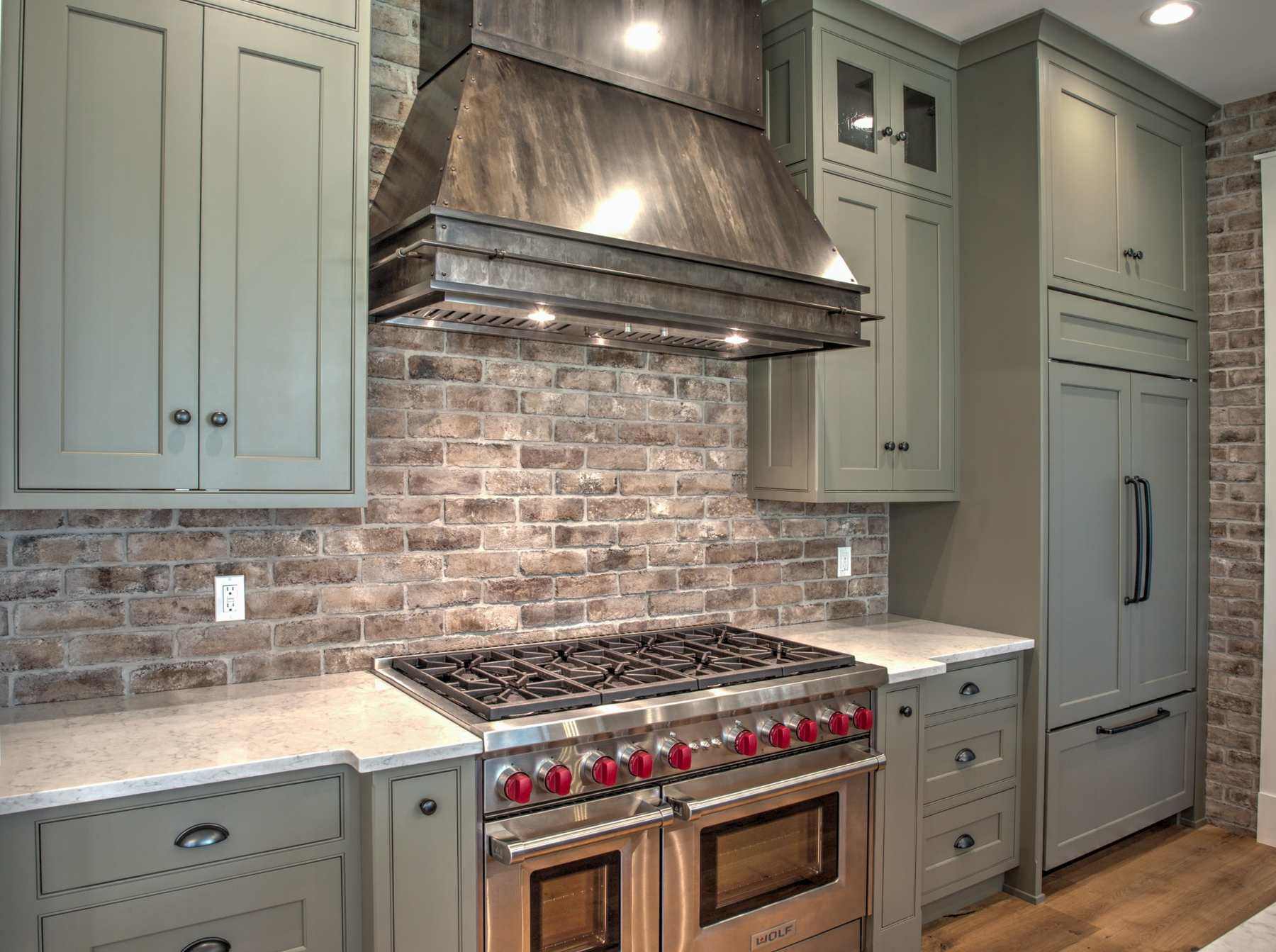
Large refrigerators, professional-style ranges, wall ovens, beverage centers, microwave drawers, and multiple dishwashers can improve kitchen performance, but they can dominate the room if they’re not considered early in the cabinetry plan. A new kitchen can achieve a period appropriate kitchen design by treating appliances as part of the architecture. Paneled refrigeration, built-in microwave placement, flush appliance surrounds, coordinated hood cabinetry, and properly proportioned tall cabinets help large equipment sit comfortably within the room.
Improve Storage and Function While Preserving Character
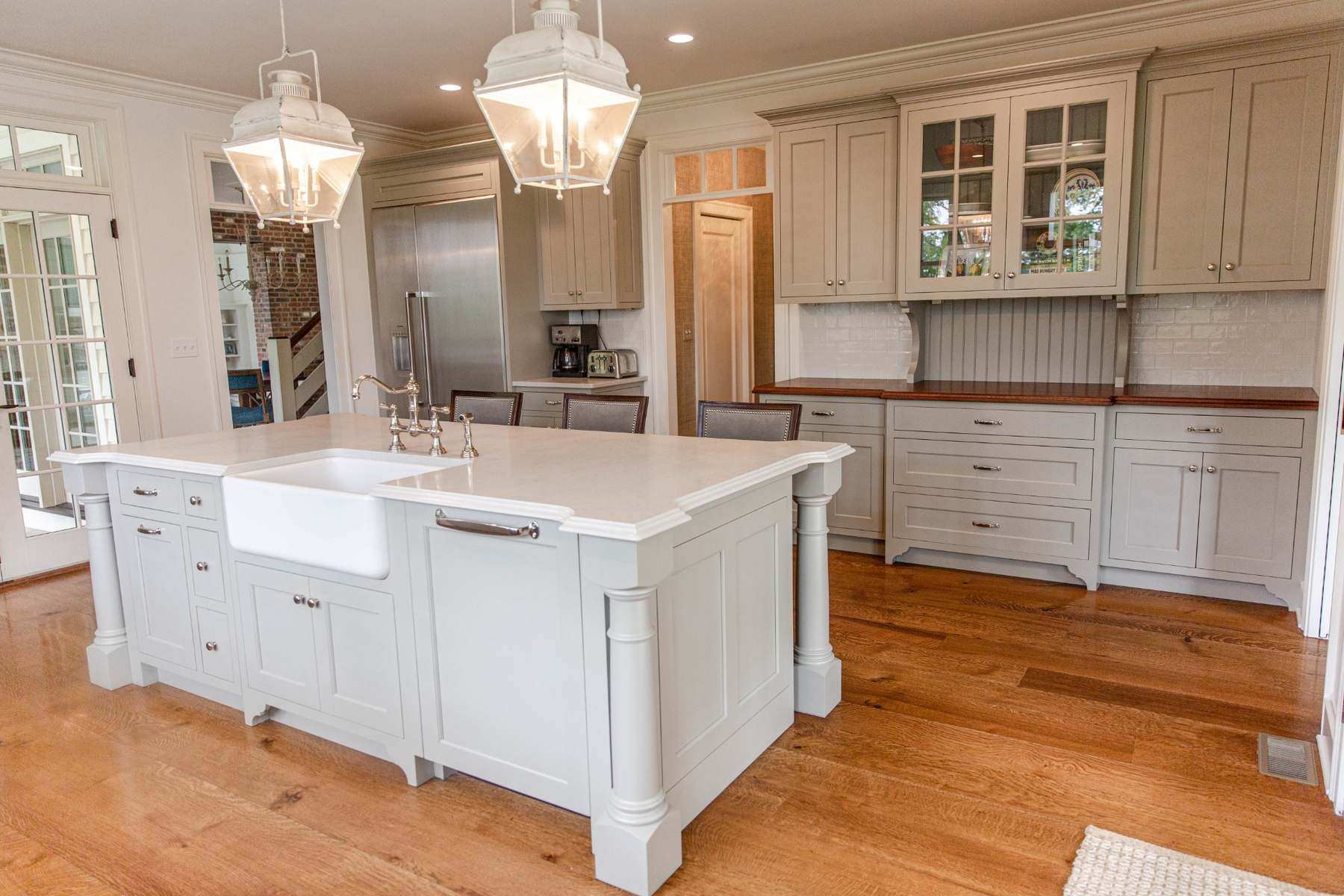
Older kitchens often have tight footprints and minimal storage, but modernizing your workflow doesn’t mean you have to lose your home’s historic charm. When planning a kitchen remodel for an older home, the goal is to pack the cabinetry interiors with high-performance storage solutions. By utilizing custom pull-outs, deep drawers, and Magic Corner fittings, your new kitchen will achieve modern efficiency while keeping its exterior classically styled. To learn more about balancing modern convenience with historic preservation, explore keeping a period-style kitchen. Creating supporting spaces, like a coordinated butler’s kitchen, further expands your storage and cleanup zones.
Use Custom Cabinetry Where Exact Dimensions Matter Most
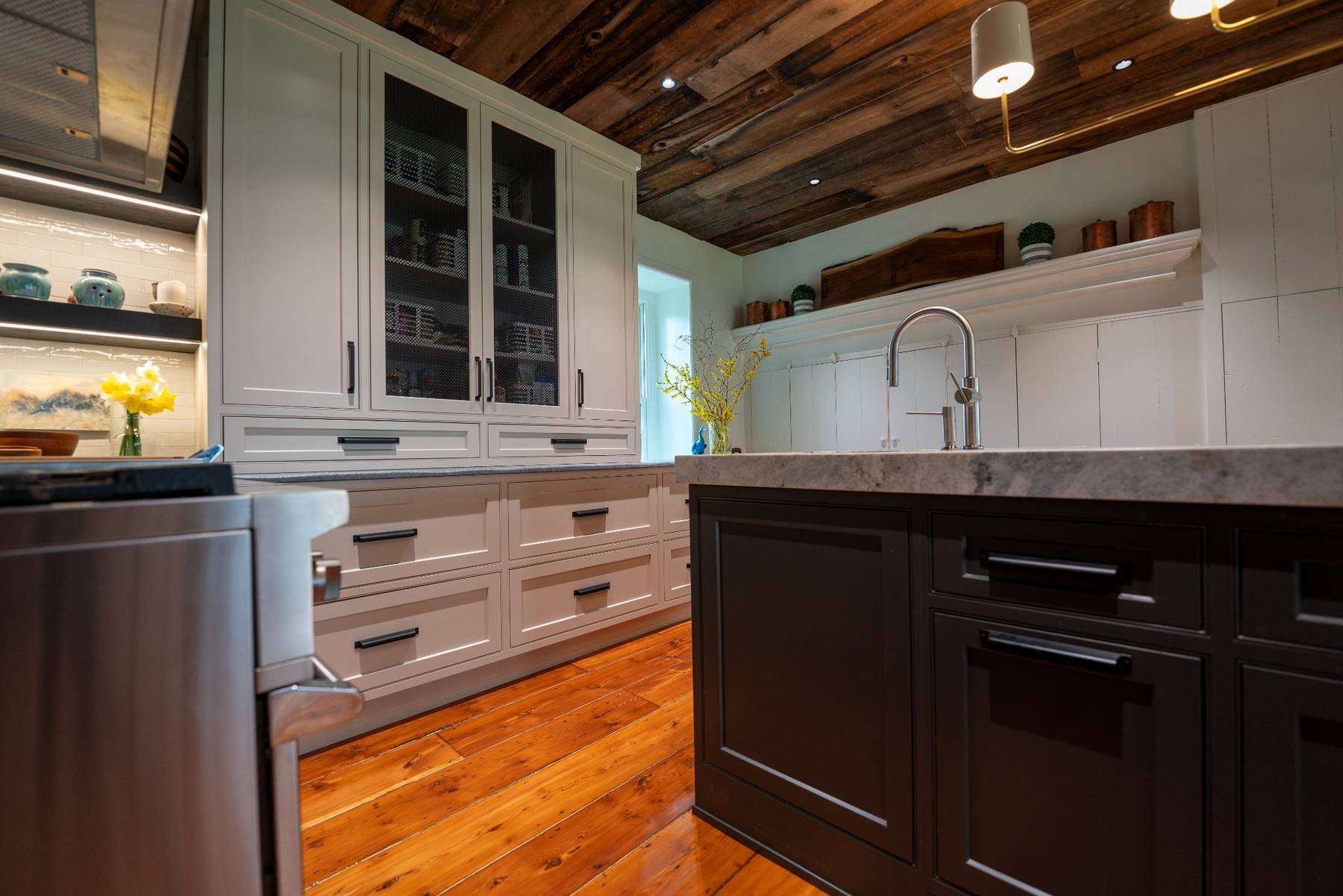
Older homes in the Lehigh Valley are famous for uneven floors, plaster walls, and out-of-square corners. Standard modular cabinets require filler panels to fit these irregular spaces, which instantly ruins a kitchen’s built-in look. This is why investing in custom construction is essential. When executing a timeless kitchen renovation, every cabinet must be built to the exact dimensions of your walls. Custom builders can adjust cabinet depths and stiles to the precise quarter-inch, ensuring a wall-to-wall fit. This precise craftsmanship ensures your new kitchen operates smoothly.
Frequently Asked Questions (FAQ)
How do I make a new kitchen blend with an older home’s architecture?
To make a new kitchen blend with an older home’s architecture, you should match the home’s original moldings, casing profiles, and baseboard details. Incorporating period-appropriate cabinetry constructions like beaded inset doors and using a natural, warm wood palette will ensure the space feels native to your home’s historic style.
What is the best cabinet construction for a historic kitchen remodel?
The best cabinet construction for a historic kitchen remodel is beaded inset cabinetry. Beaded inset styling features cabinet doors that fit flush inside the cabinet face frame, surrounded by a delicate wooden bead. This construction provides traditional shadow lines and a built-in, furniture-grade look that respects historic craftsmanship.
How can I integrate modern appliances into a transitional kitchen design?
You can integrate modern appliances into a transitional kitchen design by utilizing panel-ready refrigerators and dishwashers that match your custom cabinetry. Additionally, minor appliances like microwave drawers can be tucked away beneath countertops, while range hoods can be cleverly concealed behind custom wood enclosures to preserve clean sightlines.
Take the Next Step with Laslo Custom Kitchens
Ready to transform your home with a stunning new kitchen that respects its historic roots? At Laslo Custom Kitchens, our experienced design and install team specializes in crafting custom cabinetry and millwork that seamlessly blends modern luxury with your home’s existing character. Schedule a consultation, visit our local showroom in Easton, PA, or call us directly at 610-600-9528 to speak with our design experts today!