How to Design a New Kitchen That Feels Original to Your Home
Designing a new kitchen that feels original to your home requires balancing modern function with historic charm. Homeowners achieve this by drawing inspiration from existing architectural details, choosing period-appropriate cabinetry construction, matching original moldings, and integrating professional-grade appliances that blend seamlessly into custom-built cabinetry designs.

When embarking on a kitchen remodel, the greatest challenge is creating a space that feels like a natural extension of your home rather than an anachronistic new build. In the Lehigh Valley, our homes have distinct historic roots, spanning from early 20th-century Victorians to mid-century ranches and classic colonial properties. Partnering with a designer who knows how to honor these eras is key to achieving a stunning, cohesive result that elevates both beauty and function.
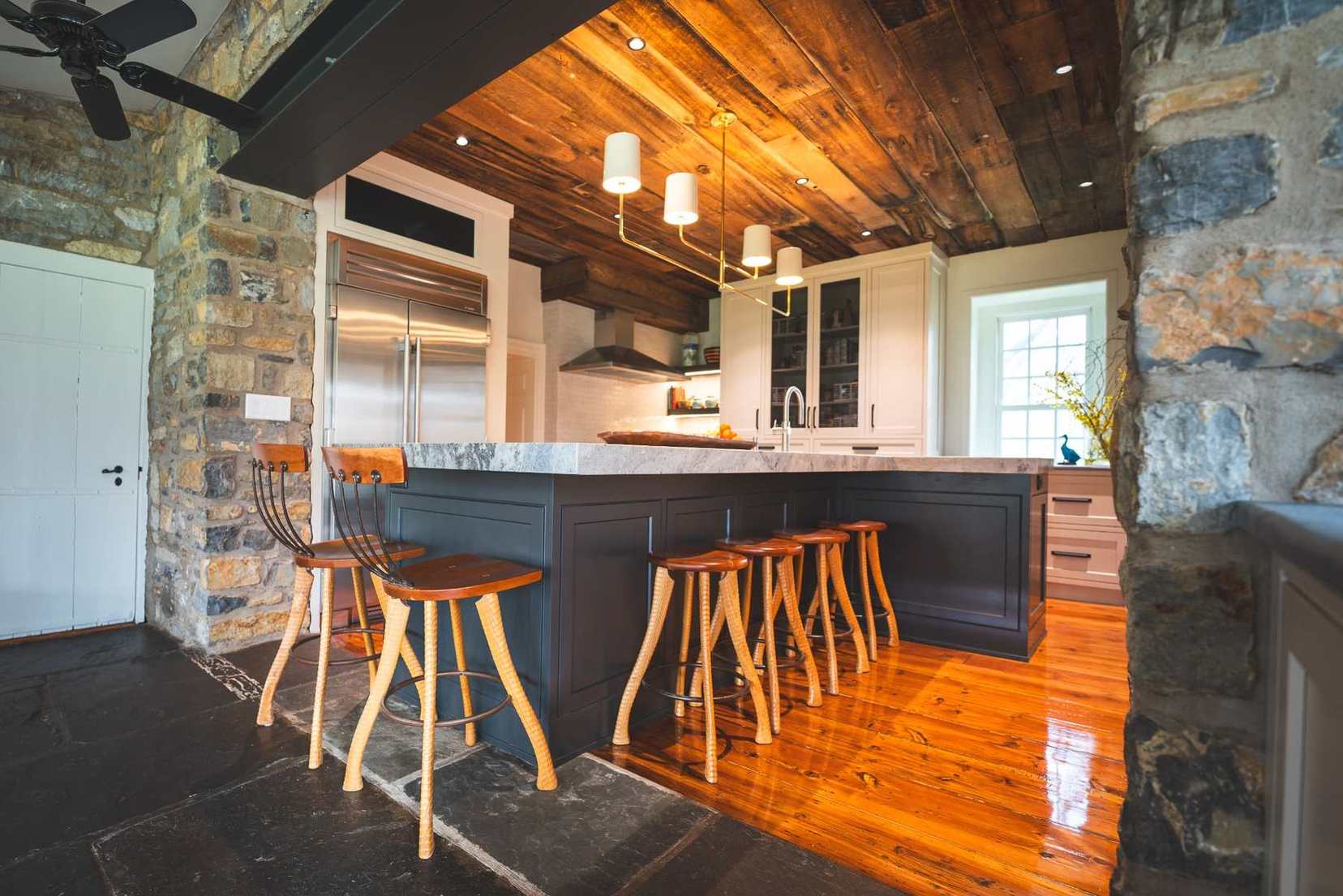
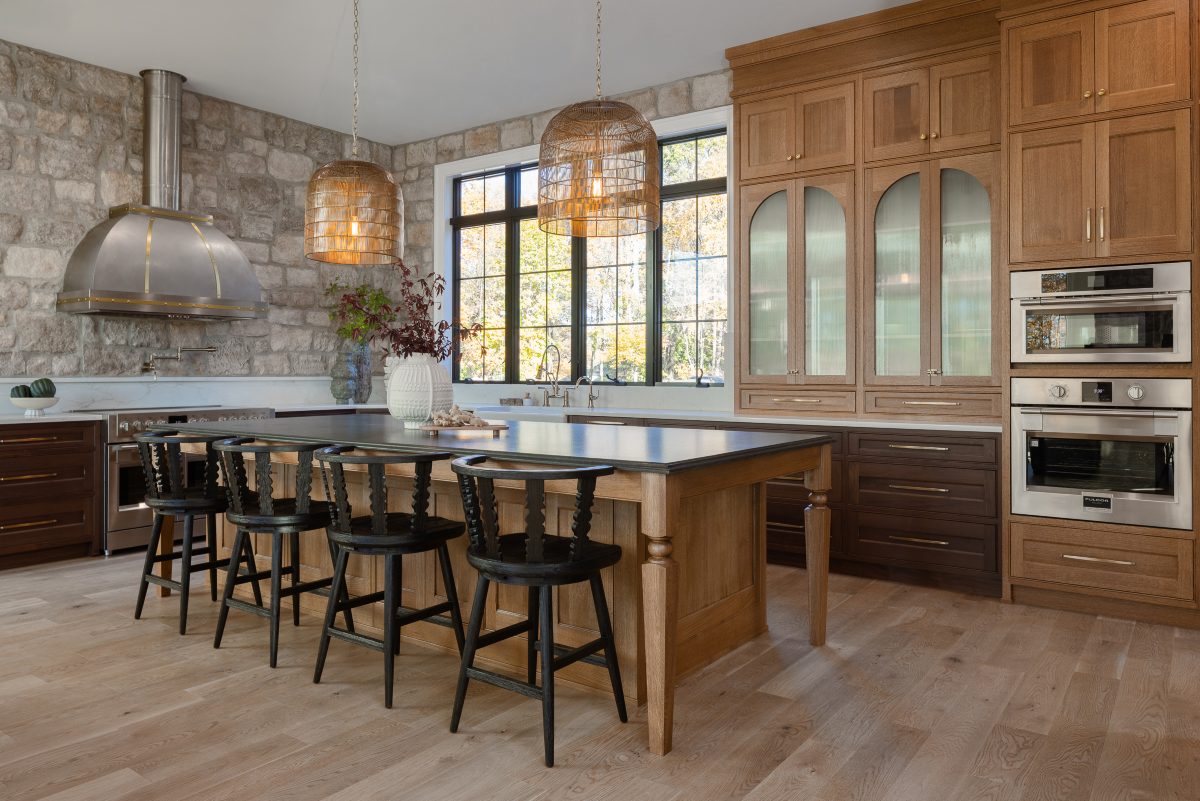
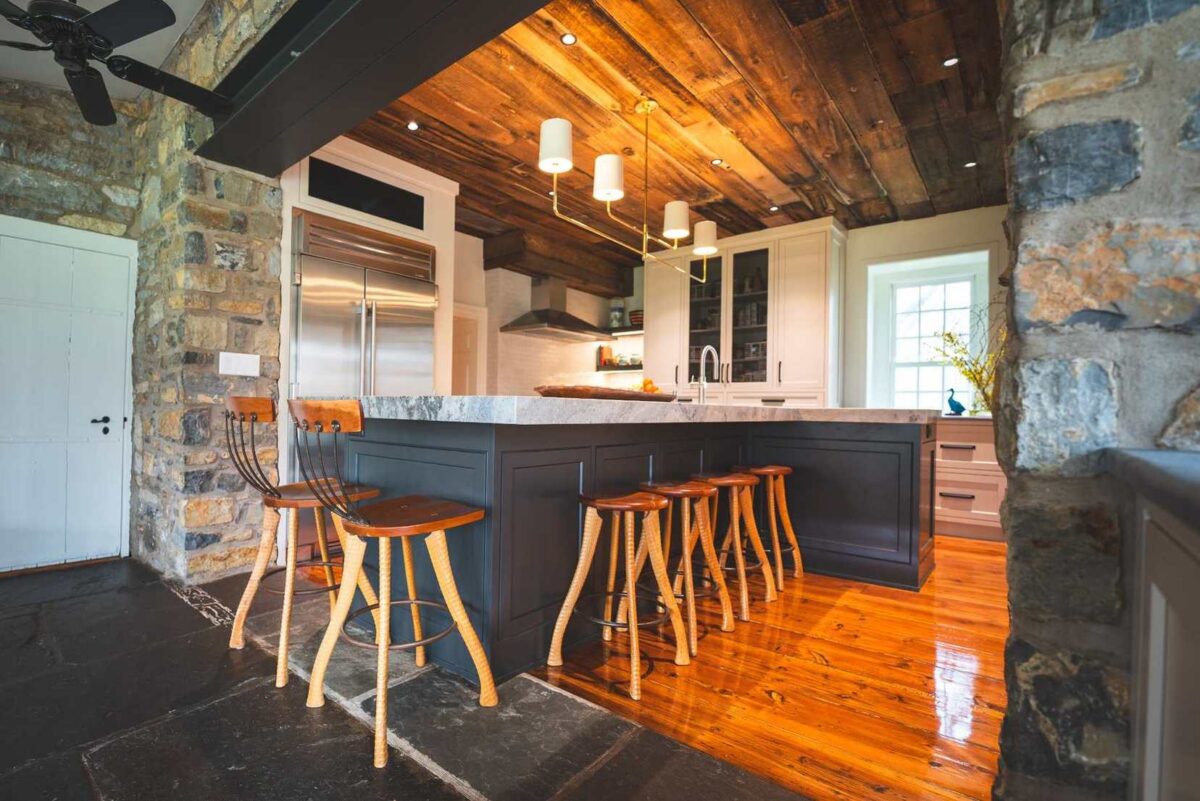
Architectural kitchen design in Allentown with a dark center island, exposed stone walls, and a vaulted wood ceiling, designed by Swine Design, LLC.
Design by Swine Design, LLC

Draw Inspiration from the Home’s Architecture

Study the architecture before selecting cabinet colors or countertops. Window proportions, ceiling height, trim profiles, flooring, door styles, fireplaces, and adjoining rooms all provide clues about what belongs. A new kitchen should feel connected to those details even when the room is substantially changed. For a historic kitchen remodel, that can mean preserving cues such as inset doors, traditional molding, warm wood, or furniture-like cabinetry while improving the layout. Laslo’s custom kitchen remodel cleverly blends modern and colonial styles in Allentown PA is a strong example. Flush inset cabinetry, beehive pendants, and colonial references sit comfortably beside a Sub-Zero refrigerator, Wolf range, concealed hood, and hidden television.
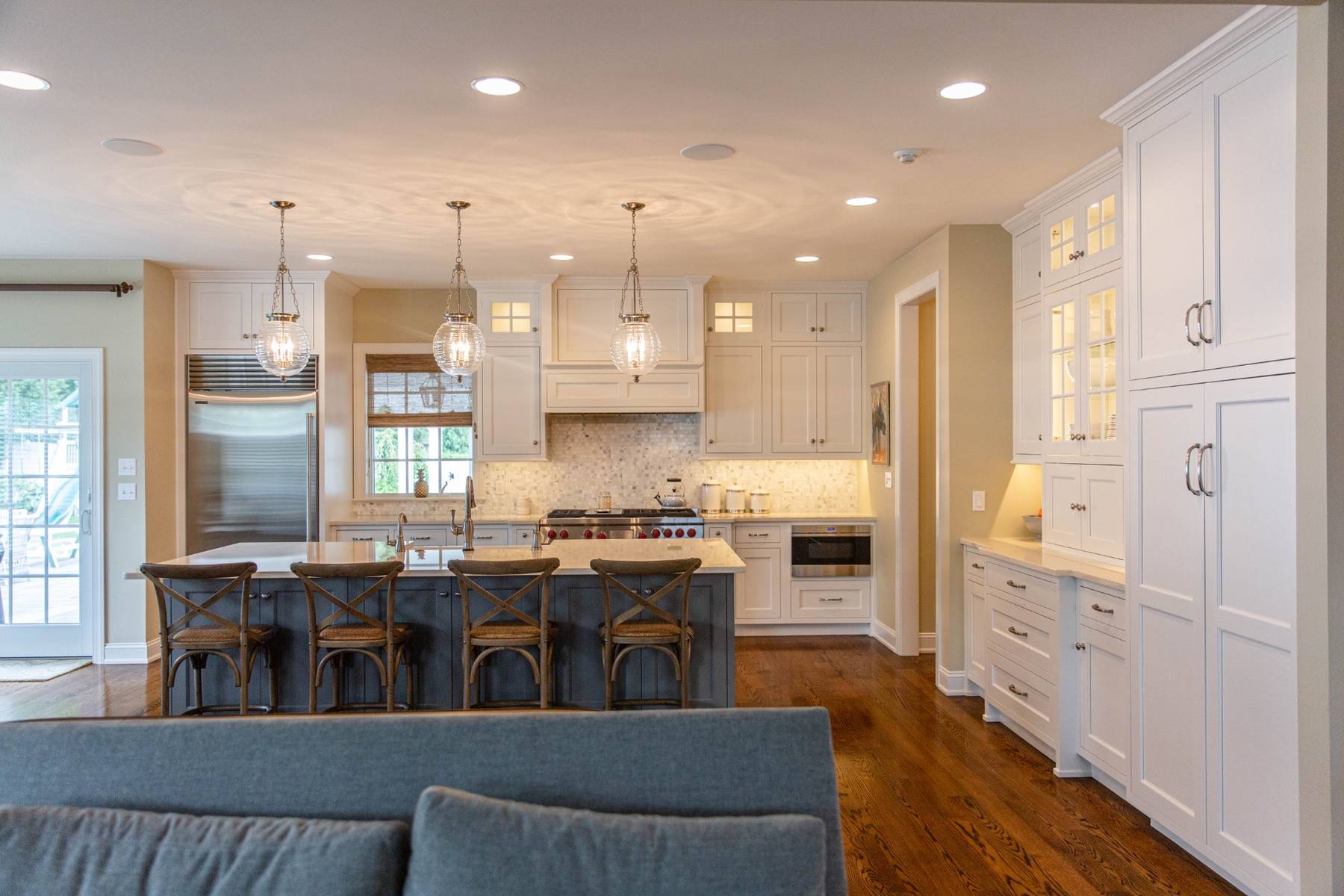
White custom kitchen in Allentown with tall cabinetry, a contrasting stained wood island, and cabinetry proportioned to the scale of the room.

Use Cabinetry Proportions That Suit the Room

Proportions are the quiet foundation of an elegant interior. When designing a new kitchen, many homeowners make the mistake of using standard, off-the-shelf cabinetry that ignores the room’s actual scale. For a truly timeless kitchen design, cabinetry must be scaled to the room’s specific proportions. In high-ceilinged homes, utilizing stacked moldings or floor-to-ceiling custom cabinets draws the eye upward and emphasizes vertical height, while low-ceilinged spaces require horizontal orientations and clean lines to maximize visual openness.
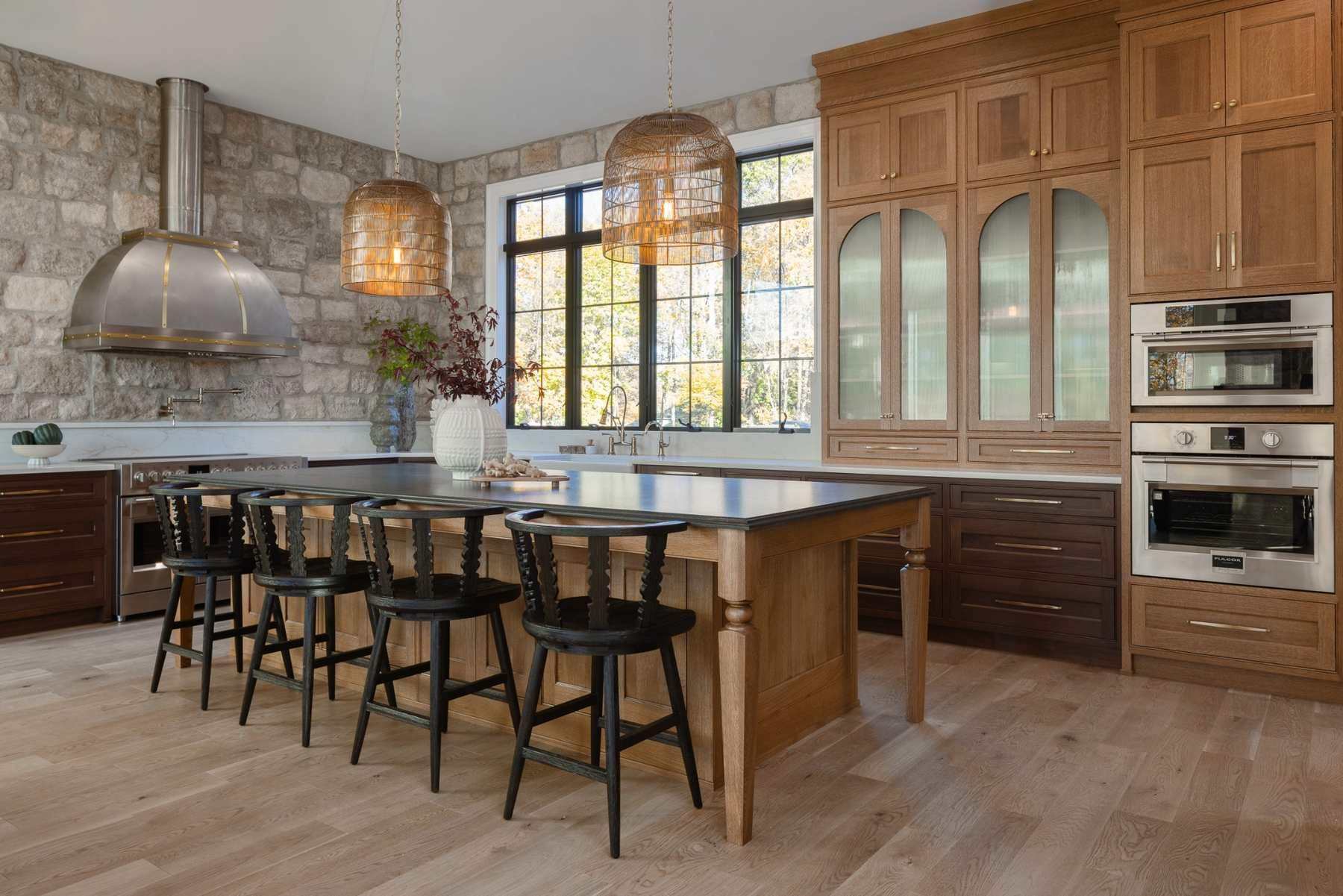
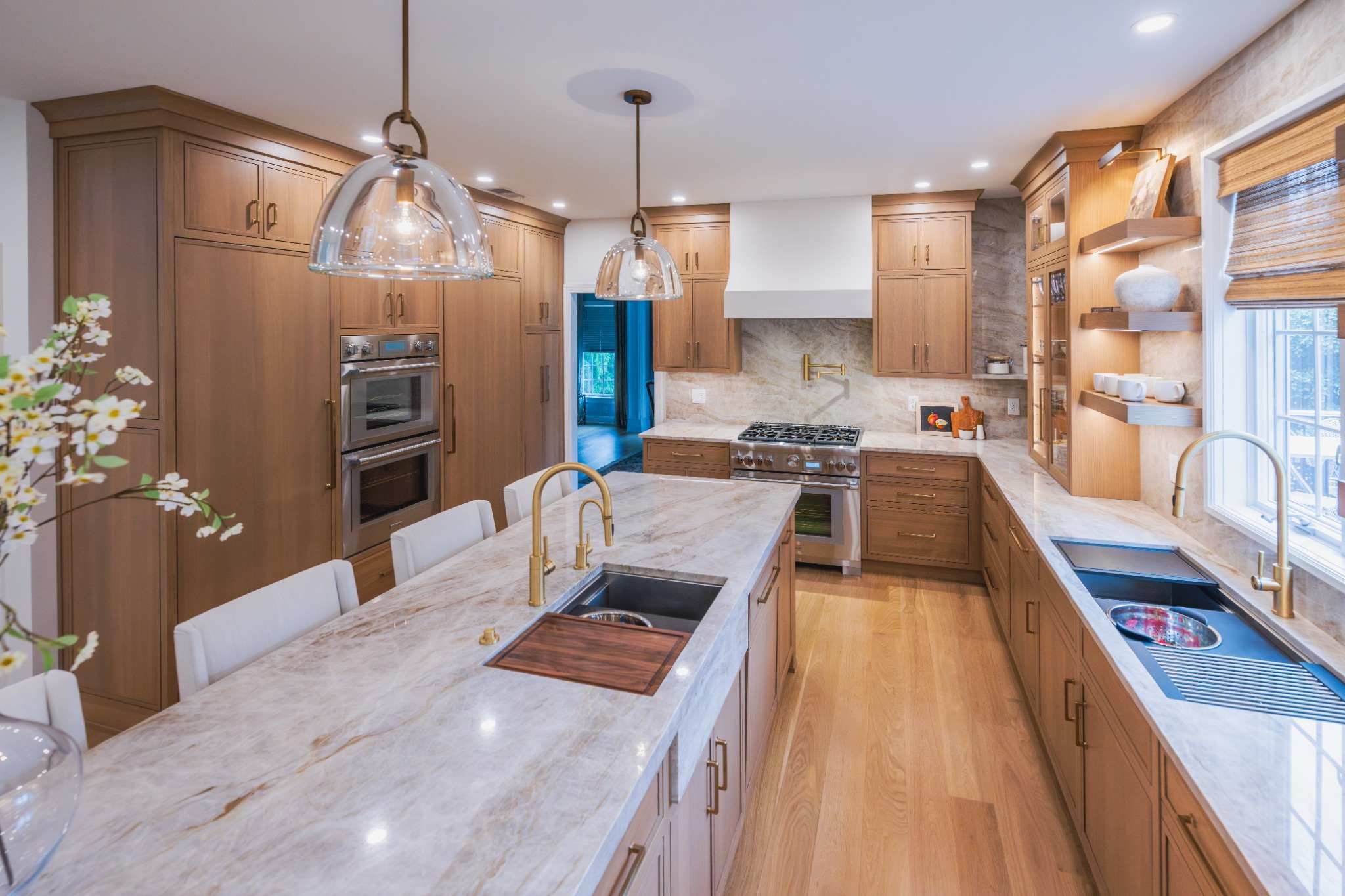
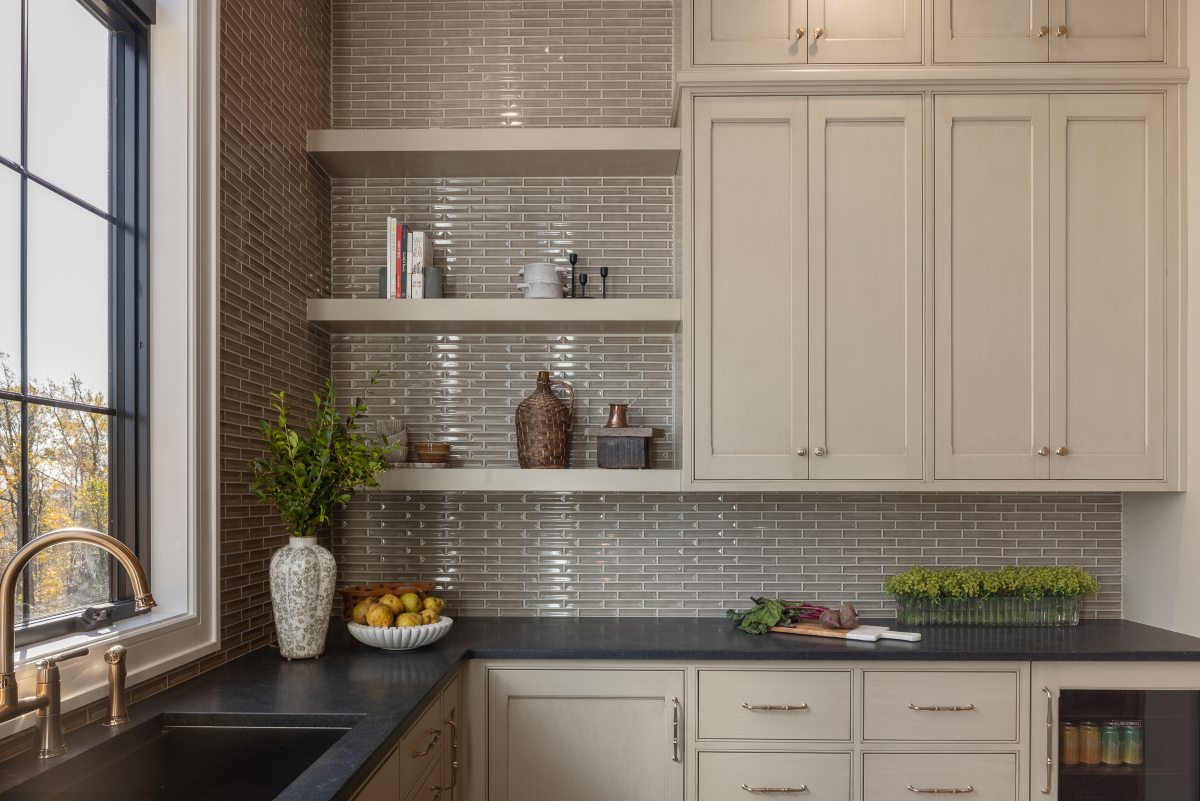
Custom kitchen cabinetry in Emmaus, PA featuring walnut and quarter-sawn white oak, beaded inset construction, and an expansive center island.
Design by Swine Design, LLC

Select Inset, Framed, or Overlay Construction

The construction style you select for your cabinet doors sets the stylistic timeline for your home. While overlay cabinets offer a modern appearance, inset cabinetry represents the peak of traditional, high-end millwork. A spectacular real-world example of this is the walnut and white oak kitchen remodel in Emmaus, PA, where Swine Design and Laslo Custom Kitchens utilized 3/8-inch beaded inset construction with Blum hinges. This choice allowed the custom kitchen cabinetry to behave like fine, permanent woodwork. Walnut base cabinets ground the working perimeter, while white oak uppers add a lighter vertical presence. Choosing this framed construction style when planning your new kitchen ensures a clean, elegant look.
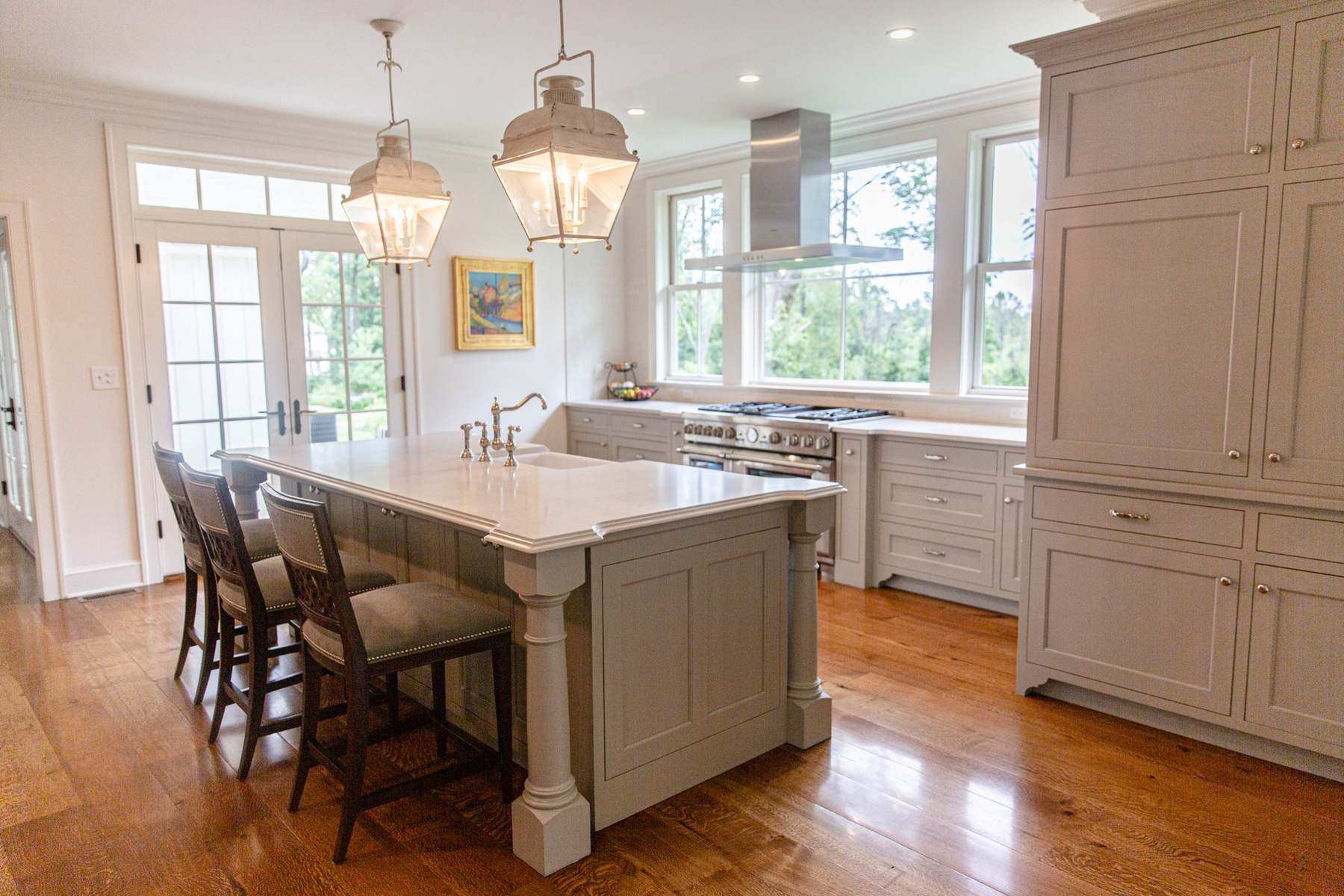
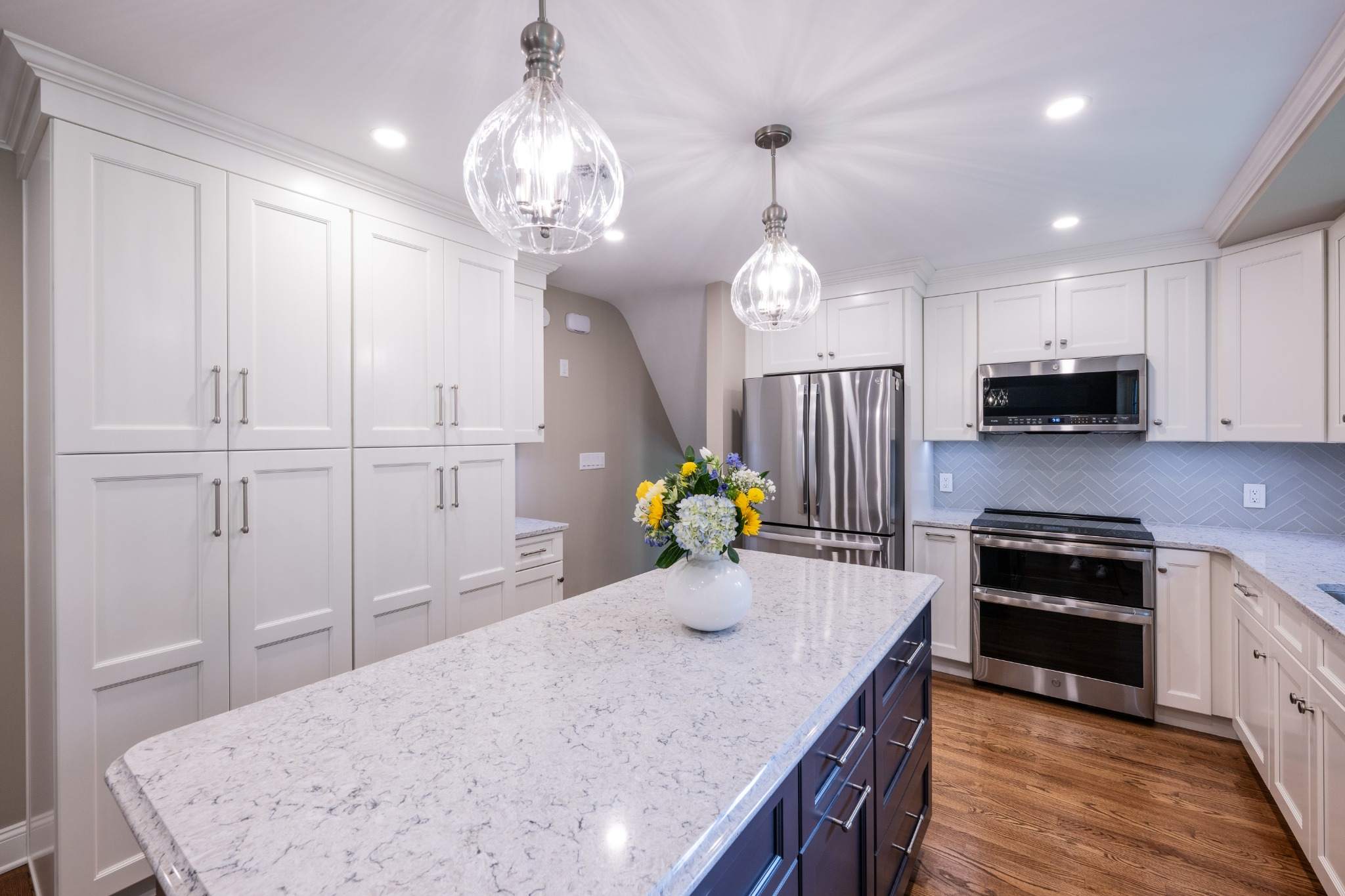
Traditional kitchen in Coopersburg, PA with painted cabinetry, a center island, tall cabinetry, and detailed crown molding and millwork.

Match Moldings and Millwork to Existing Details

One of the quickest ways to disrupt the visual flow of an older home is to install standard, generic trim. To ensure your new kitchen matches the rest of your home, your cabinet crown moldings, window trim, and baseboards must replicate the profiles found in the original living areas. In a thoughtful architectural kitchen design, designers stack moldings and use custom bell routs or flat reveals to bridge the cabinet-to-ceiling transition. This meticulous replication of detail ensures your cabinetry feels integrated into the home’s original woodwork rather than appearing as a modern addition.
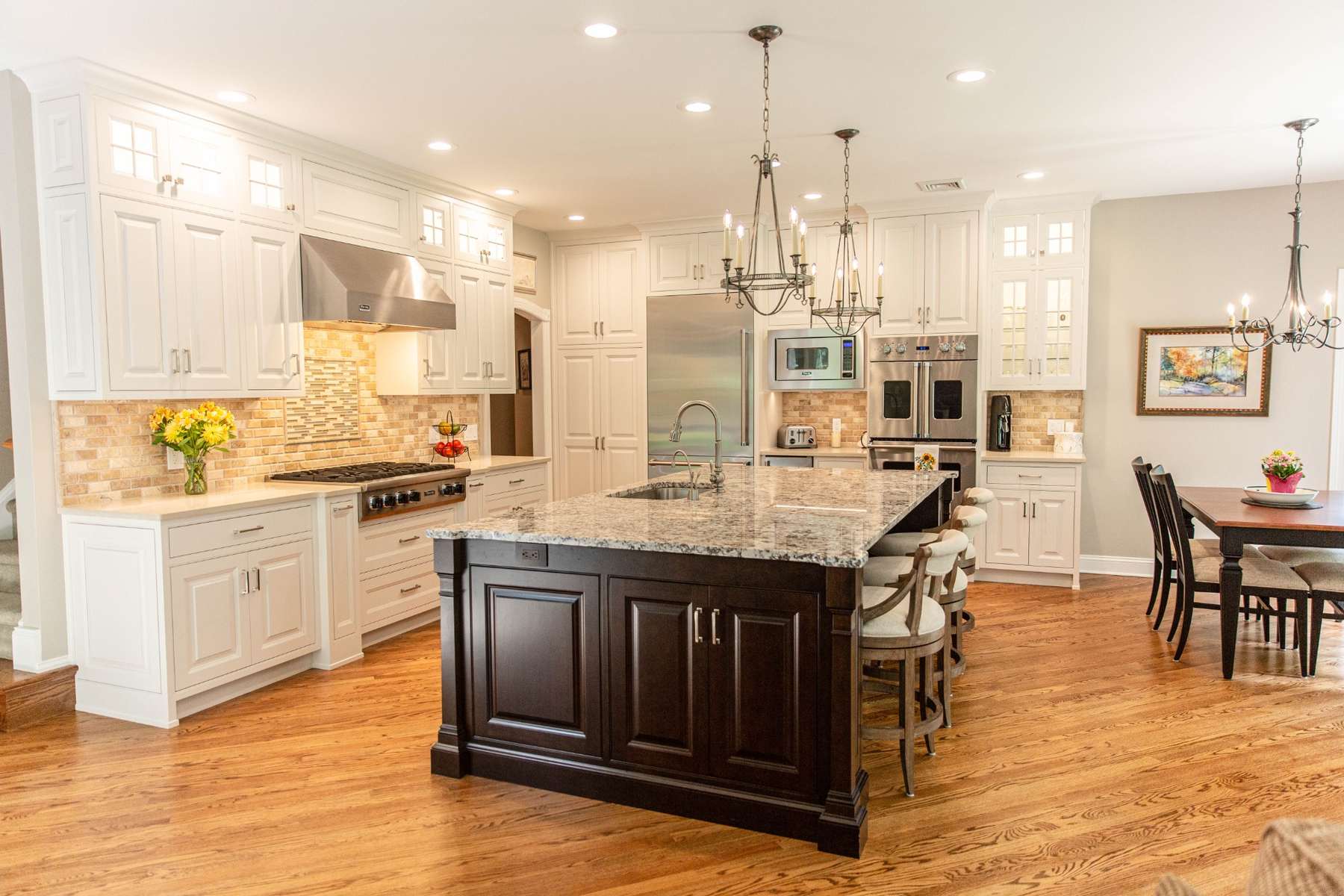
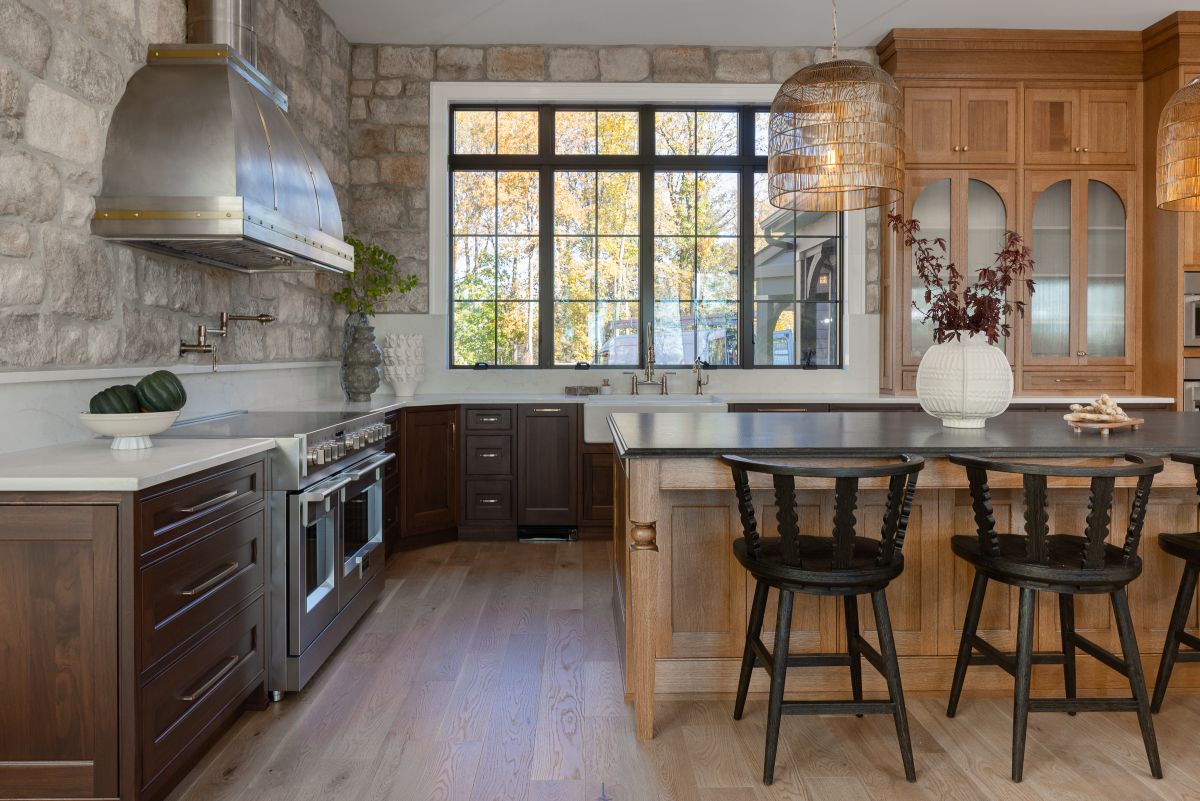
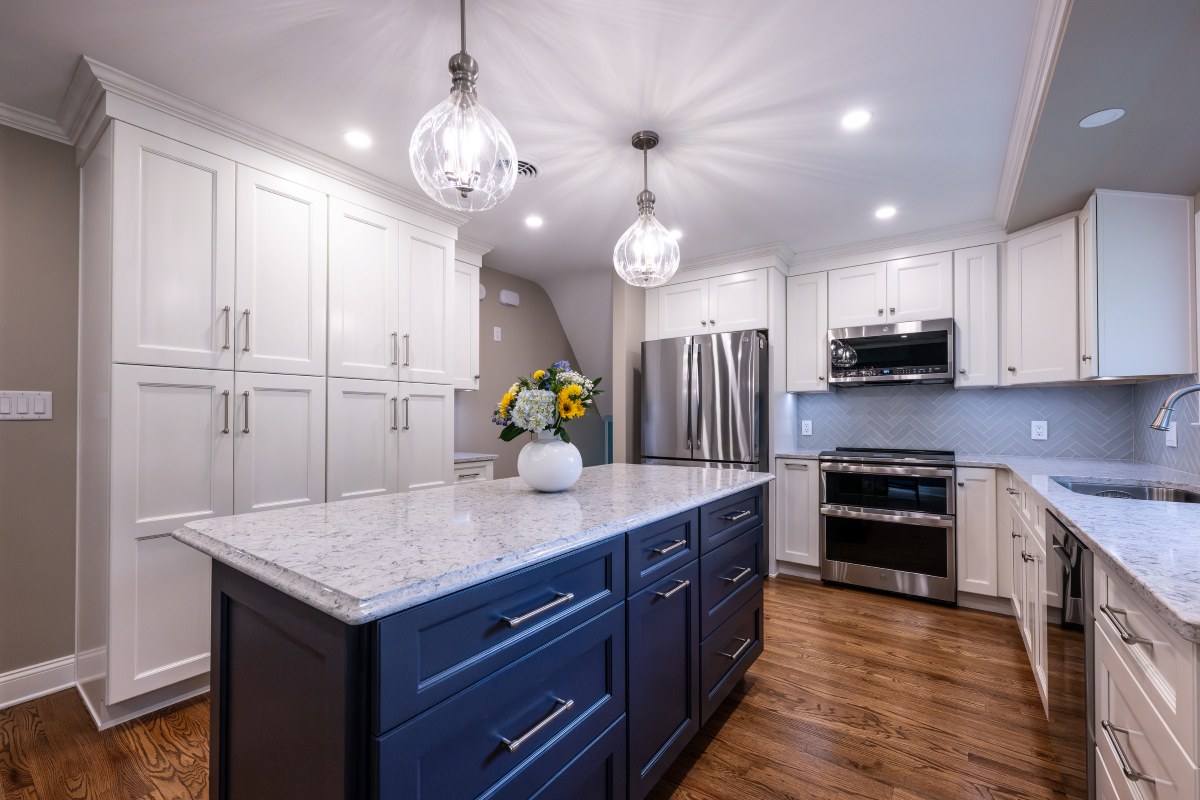
Transitional kitchen design with Classic White perimeter cabinetry, a weathered Cherry center island, and furniture-style cabinetry details.

Introduce Natural Wood, Painted Finishes, and Furniture-Style Elements

One cabinet finish throughout is not the only way to create cohesion. Introducing mixed wood species, hand-applied stains, and furniture-style elements brings immediate depth to your space. This approach is highly effective in transitional kitchen design, where you want to balance classic and modern styles. For inspiration, explore the modern Tuscan kitchen designed for gathering, which uses a weathered “E” finish on Cherry for the Hawthorne door style on the kitchen island, wood range hood, and hutch. These rich wood textures are paired with Classic White painted cabinets on the perimeter, preventing the new kitchen from feeling flat. Adding elements like brushed steel chandeliers completes the warm, curated look.
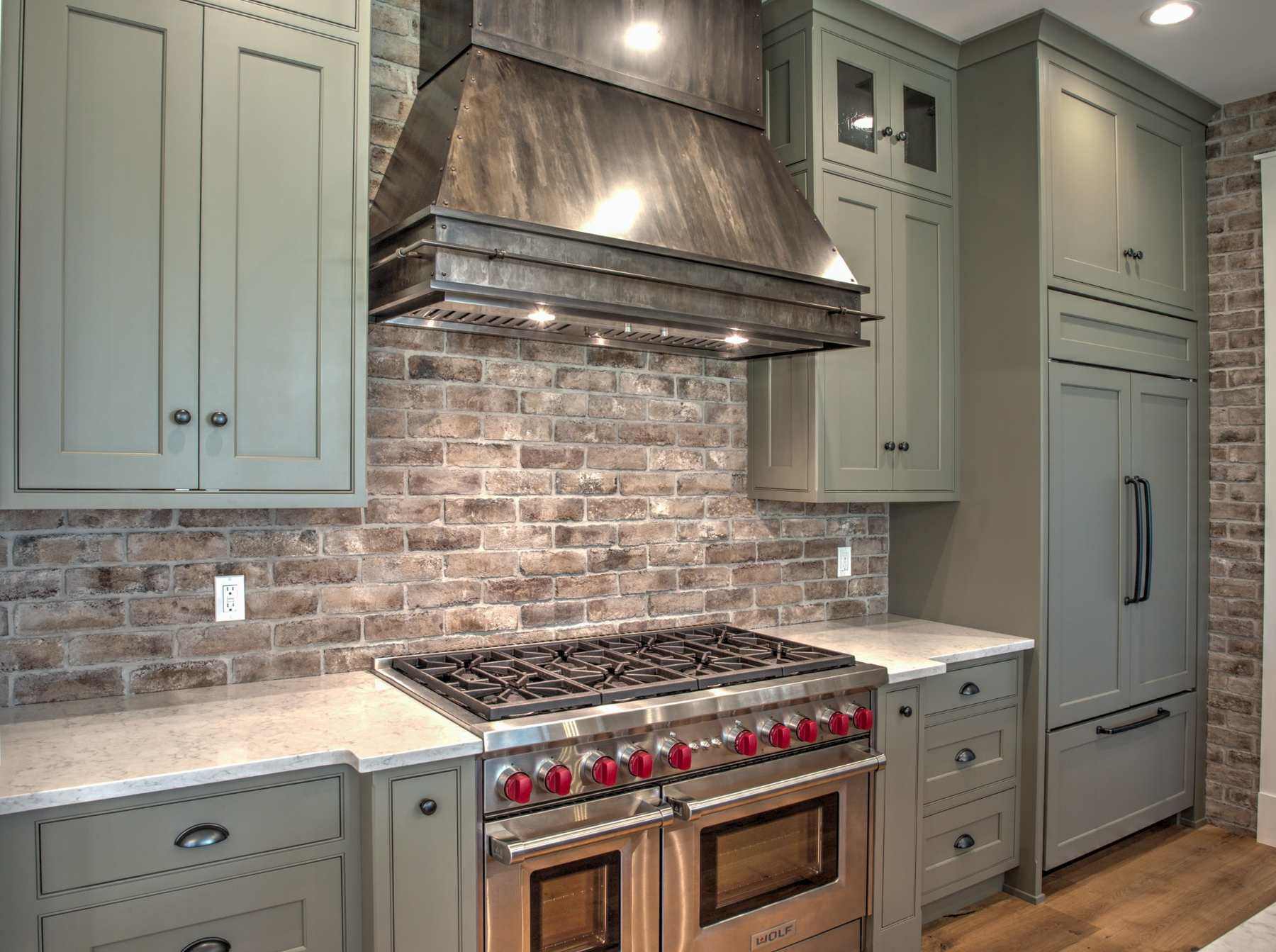
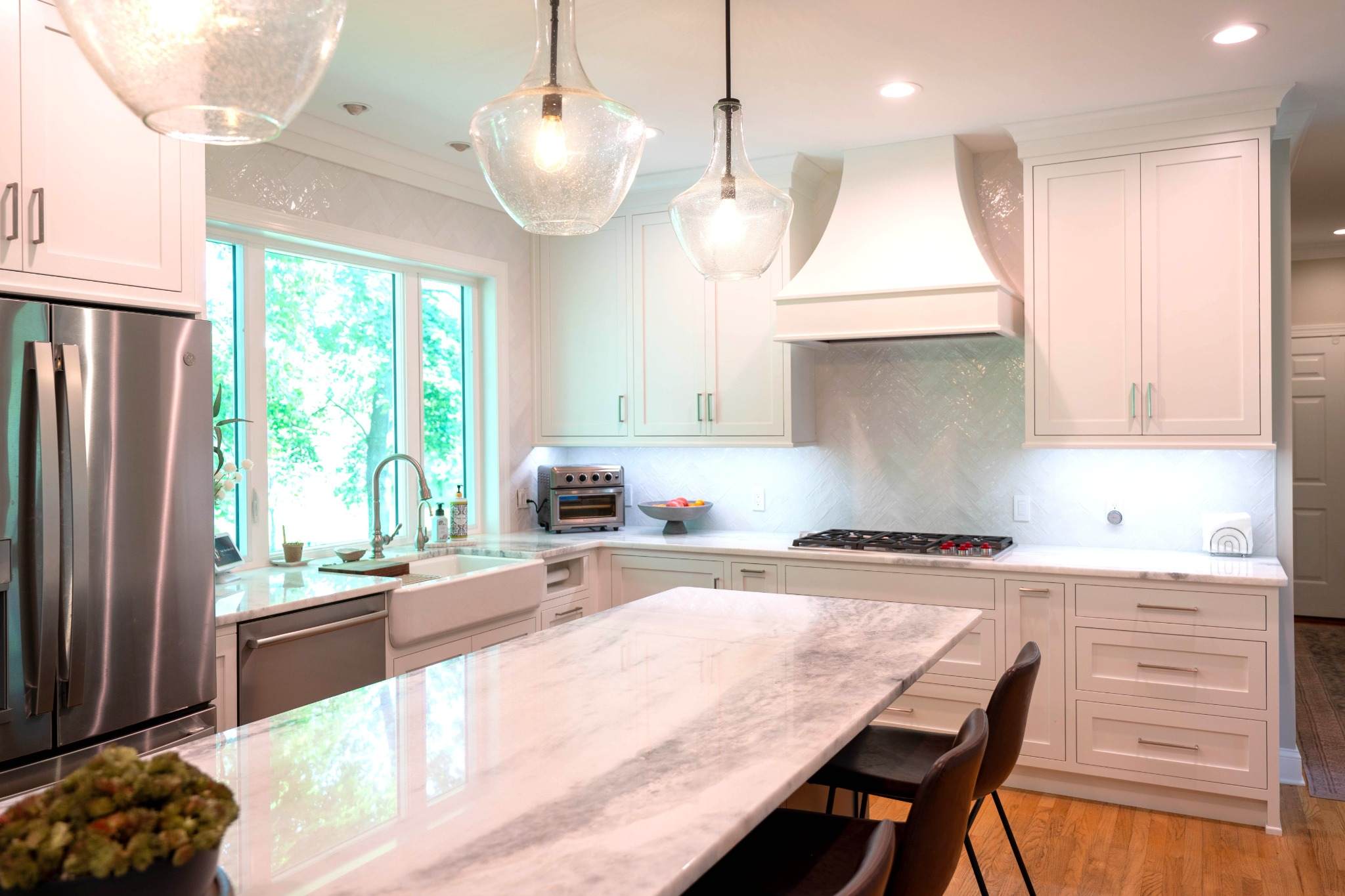
Custom kitchen in Orefield, PA with painted cabinetry, a professional-style range, statement metal hood, and cabinetry designed around the appliances.

Integrate Modern Appliances Without Disrupting the Design

Large refrigerators, professional-style ranges, wall ovens, beverage centers, microwave drawers, and multiple dishwashers can improve kitchen performance, but they can dominate the room if they’re not considered early in the cabinetry plan. A new kitchen can achieve a period appropriate kitchen design by treating appliances as part of the architecture. Paneled refrigeration, built-in microwave placement, flush appliance surrounds, coordinated hood cabinetry, and properly proportioned tall cabinets help large equipment sit comfortably within the room.
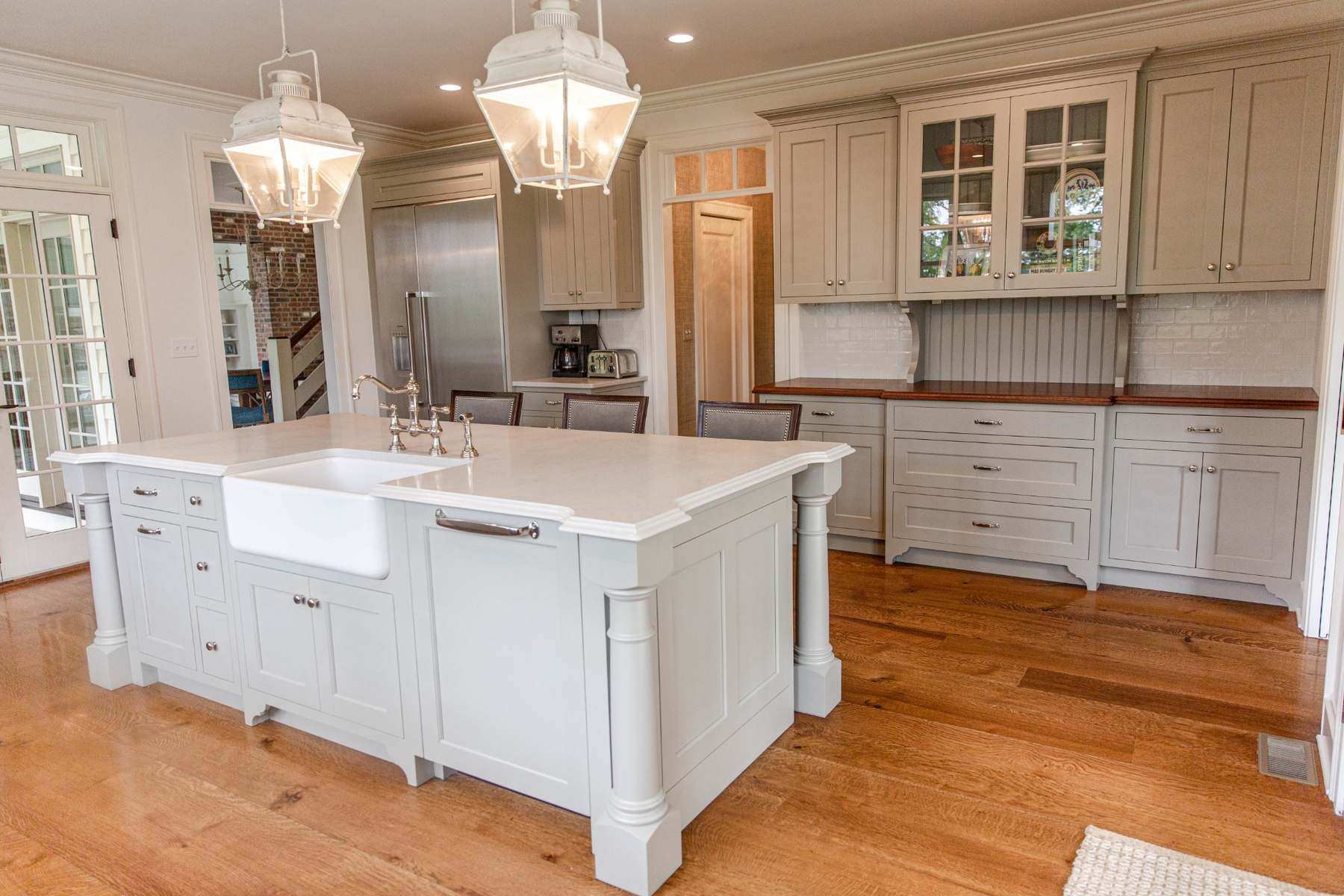
Colonial-inspired custom kitchen in Coopersburg, PA with custom-color flush inset cabinetry, a storage-rich center island, and furniture-style hutch cabinetry.

Improve Storage and Function While Preserving Character

Older kitchens often have tight footprints and minimal storage, but modernizing your workflow doesn’t mean you have to lose your home’s historic charm. When planning a kitchen remodel for an older home, the goal is to pack the cabinetry interiors with high-performance storage solutions. By utilizing custom pull-outs, deep drawers, and Magic Corner fittings, your new kitchen will achieve modern efficiency while keeping its exterior classically styled. To learn more about balancing modern convenience with historic preservation, explore keeping a period-style kitchen. Creating supporting spaces, like a coordinated butler’s kitchen, further expands your storage and cleanup zones.
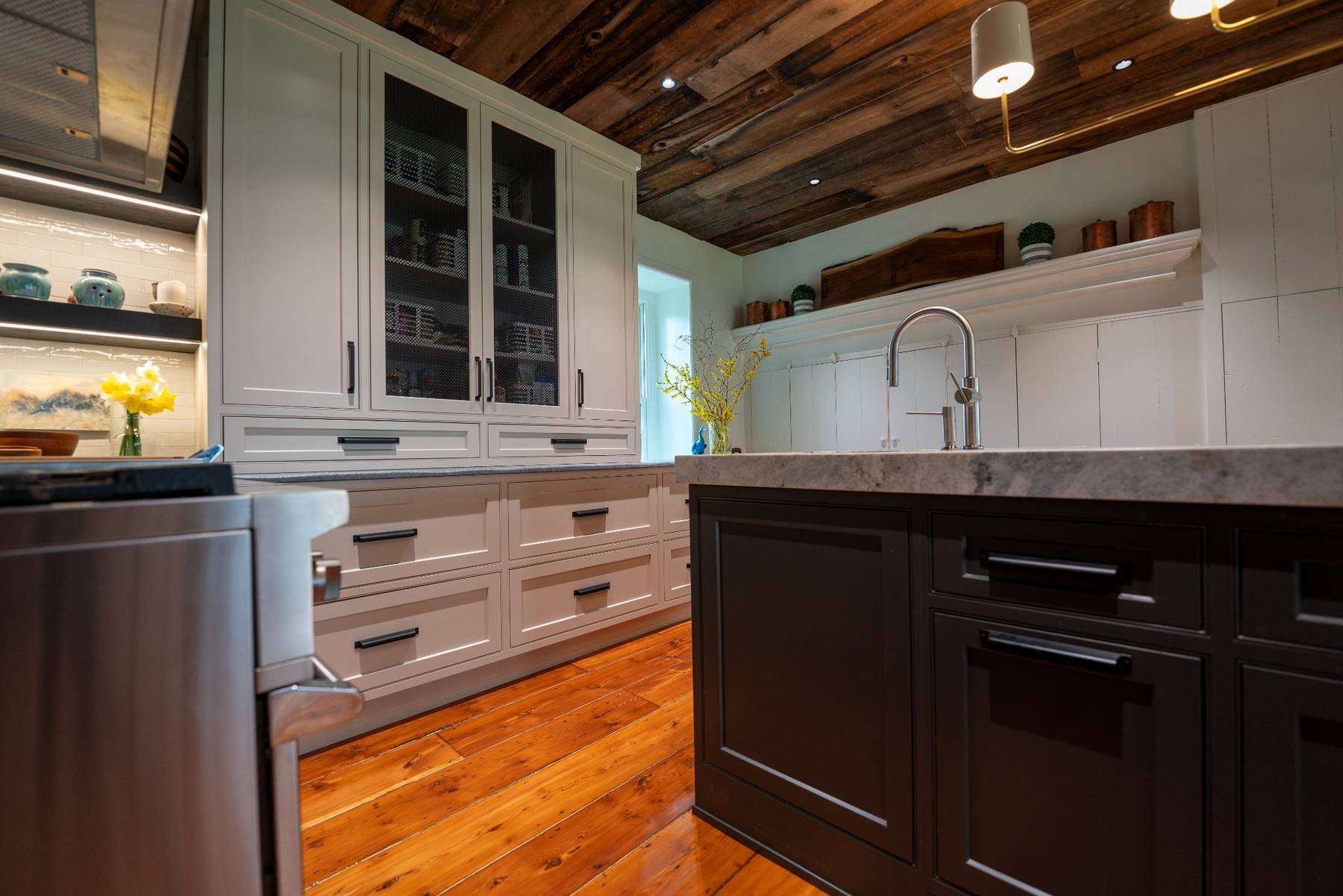
Custom kitchen renovation in Allentown with light inset cabinetry, a dark center island, and cabinetry fitted beneath the home's exposed wood ceiling, designed by Swine Design, LLC.
Design by Swine Design, LLC

Use Custom Cabinetry Where Exact Dimensions Matter Most

Older homes in the Lehigh Valley are famous for uneven floors, plaster walls, and out-of-square corners. Standard modular cabinets require filler panels to fit these irregular spaces, which instantly ruins a kitchen’s built-in look. This is why investing in custom construction is essential. When executing a timeless kitchen renovation, every cabinet must be built to the exact dimensions of your walls. Custom builders can adjust cabinet depths and stiles to the precise quarter-inch, ensuring a wall-to-wall fit. This precise craftsmanship ensures your new kitchen operates smoothly.

Frequently Asked Questions (FAQ)

How do I make a new kitchen blend with an older home’s architecture?

To make a new kitchen blend with an older home’s architecture, you should match the home’s original moldings, casing profiles, and baseboard details. Incorporating period-appropriate cabinetry constructions like beaded inset doors and using a natural, warm wood palette will ensure the space feels native to your home’s historic style.

What is the best cabinet construction for a historic kitchen remodel?

The best cabinet construction for a historic kitchen remodel is beaded inset cabinetry. Beaded inset styling features cabinet doors that fit flush inside the cabinet face frame, surrounded by a delicate wooden bead. This construction provides traditional shadow lines and a built-in, furniture-grade look that respects historic craftsmanship.

How can I integrate modern appliances into a transitional kitchen design?

You can integrate modern appliances into a transitional kitchen design by utilizing panel-ready refrigerators and dishwashers that match your custom cabinetry. Additionally, minor appliances like microwave drawers can be tucked away beneath countertops, while range hoods can be cleverly concealed behind custom wood enclosures to preserve clean sightlines.

Take the Next Step with Laslo Custom Kitchens

Ready to transform your home with a stunning new kitchen that respects its historic roots? At Laslo Custom Kitchens, our experienced design and install team specializes in crafting custom cabinetry and millwork that seamlessly blends modern luxury with your home’s existing character. Schedule a consultation, visit our local showroom in Easton, PA, or call us directly at 610-600-9528 to speak with our design experts today!
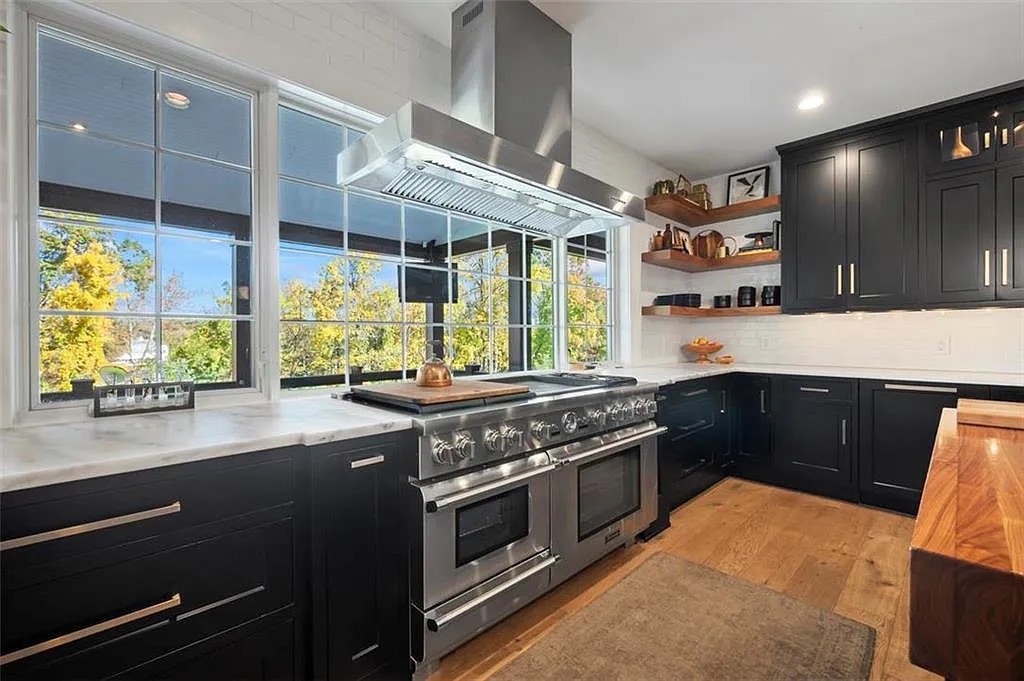
What to Look for in the Best Kitchen Remodeling Companies in Allentown PA

When searching for the best kitchen remodeling companies in Allentown PA, homeowners must prioritize verified credentials over the lowest bid. Always demand proof of state registration, comprehensive liability insurance, itemized estimates, and an extensive portfolio showcasing flawless custom cabinetry installation to guarantee a successful renovation.

Whether you reside in the heart of Allentown or the surrounding Lehigh Valley, embarking on a major home renovation is a significant investment of both your time and financial resources. Entrusting your home to the right professionals is the most critical decision you will make in the entire process.

To ensure a seamless, stress-free experience that yields breathtaking results, it’s imperative to know exactly how to evaluate your options. Here’s your comprehensive guide on what to look for when researching the market for a trusted partner.

1. Verify Licensing and State Registration

The foundation of a reputable business is proper legal documentation. You must ensure that any professional stepping foot into your home is legally permitted to operate in your municipality. In Pennsylvania, home improvement contractors who perform over $5,000 of work annually are required by law to register with the state. They should proudly display their official Home Improvement Contractor (HIC) number on their website, business cards, and vehicles. Before signing any agreements, verify this number through the Pennsylvania Attorney General’s online portal to ensure their registration is active and in good standing.

2. Demand Comprehensive Insurance and Bonding

Never allow an uninsured team to begin demolition in your home. A legitimate, high-end firm will readily produce a current Certificate of Insurance (COI) upon request. This coverage must include robust general liability insurance to safeguard your property against accidental damage during construction. Furthermore, they must carry worker’s compensation to protect you from any financial liability should an installer be injured on your property. Finally, hiring a bonded contractor provides an essential layer of financial security, ensuring that you’re protected if the company fails to complete the agreed-upon work or neglects to pay their local suppliers.

A stunning kitchen showcasing premium Coopersburg kitchen remodeling, featuring exquisite flush-inset custom cabinetry seamlessly integrated with high-end appliances.
Design by Swine Design, LLC

3. Insist on Detailed, Itemized Written Estimates

A vague, one-page quote is one of the most prominent red flags in the renovation industry. When evaluating bids from different firms, demand an itemized estimate of the entire scope of work. This document should clearly separate the precise costs of raw materials, labor, municipal permits, and taxes. This level of transparency prevents unexpected fees from surfacing mid-project and allows you to compare multiple bids accurately.

To maximize your return on investment and create a beautiful space, ensure your estimate includes provisions for the following premium materials and custom cabinetry features:

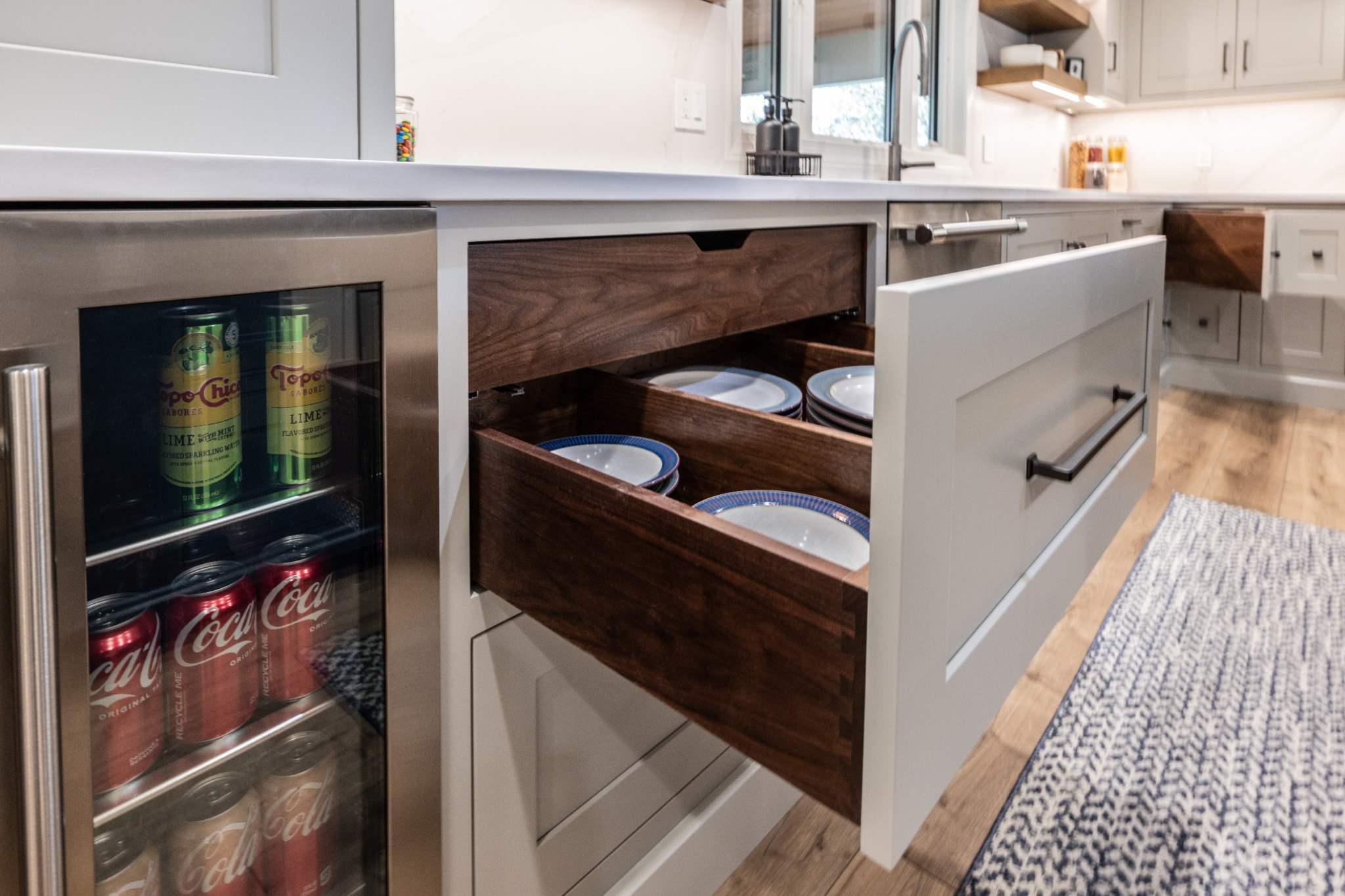
  • Solid wood, dovetail drawer boxes for superior longevity
  • Heavy-duty, soft-close hardware on all doors and drawers
  • Custom wood-paneled range hood that acts as an architectural focal point
  • Continuous waterfall edges using top-tier natural stone or quartz

4. Review a Strong Portfolio of Similar Projects

A contractor who excels at roofing or building outdoor decks may not possess the refined carpentry skills required for luxury interior spaces. When vetting candidates, ask to review a portfolio specifically focused on kitchen renovations that align with your desired aesthetic. If you’re envisioning an intricate, highly technical smart kitchen, their past work should demonstrate their ability to execute that exact level of detail.

A beautiful transitional design created by trusted kitchen designers, highlighting stunning solid wood dovetail drawer boxes and rich hardwood flooring.

5. Check Verifiable References and Local Reputation

While browsing online reviews on platforms such as Houzz or Google is an excellent starting point, you must dig deeper to find the top kitchen remodeling companies. Request references from their last three completed projects. When speaking with these past clients, ask targeted questions: Did the installation crew arrive promptly each day? Did the final invoice closely match the original itemized estimate? How efficiently did the team navigate unexpected plumbing or electrical hurdles?

6. Establish a Clear Project Timeline and Communication Plan

A major home renovation will inevitably disrupt your daily routine. Because of this, securing a realistic, detailed timeline is non-negotiable. A professional, local kitchen remodeling contractor will provide you with solid estimated start and completion dates before any work begins. Equally important is establishing a clear communication protocol. You must know exactly who your daily point of contact will be and the preferred method for receiving regular progress updates.

An elegant and highly functional space demonstrating how to choose a kitchen remodeler, featuring beautiful full-overlay custom cabinet doors and a sleek modern backsplash.

7. Look for Transparent Payment Schedules

Be highly suspicious of any individual who demands a 50% or larger deposit upfront. A fair and standard payment schedule is always tied to specific project milestones. You should pay an initial deposit to secure your place in their schedule and order raw materials, followed by subsequent payments triggered only when specific phases of the construction (such as drywall completion, cabinet installation, and final walkthrough) are successfully completed.

8. Confirm Warranty and Post-Completion Support

Reputable, high-end kitchen contractors will proudly stand behind their craftsmanship. During the interview phase, ask detailed questions about the warranties provided on their labor, which should be distinctly separate from the manufacturer warranties covering your new appliances and fixtures. You need to know exactly who to contact if a cabinet hinge requires adjustment or if a plumbing issue arises six months after the final sign-off.

A sophisticated cooking space crafted by luxury custom cabinetry installers, showcasing a magnificent custom wood-paneled range hood and elegant stone countertops.
Design by Swine Design, LLC

9. Inquire About Subcontractor Management

The best kitchen remodeling companies in Allentown PA rarely work alone; they typically partner with highly specialized subcontractors for complex plumbing and electrical rough-ins. Ask your general contractor exactly who will be entering your home. It is your right to ensure that any subcontractors they employ are also fully vetted, licensed, and carrying their own robust insurance policies.

10. Clarify the Handling of Permits and Inspections

Comprehensive custom kitchen renovation projects usually require local municipal permits, particularly if structural, electrical, or plumbing alterations are involved. Your chosen contractor is responsible for pulling these permits and scheduling the required city inspections. If a prospective builder asks you to pull the permits as a “homeowner,” consider it a massive warning sign that they likely lack the proper state licensing to handle it themselves.

Frequently Asked Questions (FAQ)

How do I verify a kitchen remodeling contractor’s credentials in Pennsylvania?

Search the official Pennsylvania Attorney General’s online portal using the contractor’s Home Improvement Contractor (HIC) number. By law, any contractor performing over $5,000 of home improvement work annually must register and remain in good standing.

What should be included in a professional kitchen remodel estimate?

A professional estimate must be highly detailed and itemized. It should clearly separate the precise costs of raw materials, labor, specialized subcontractor fees, municipal permits, and taxes to guarantee complete transparency and prevent hidden surprise charges.

Who is responsible for pulling permits during an Allentown kitchen renovation?

The hired remodeling company is entirely responsible for pulling all necessary municipal permits and scheduling local inspections. If a builder asks you to pull them as a “homeowner,” it strongly indicates they lack the proper state licensing to handle the job.

Take the Next Step with Laslo Custom Kitchens

Laslo Custom Kitchens is proud to be considered one of the best kitchen remodeling companies in Allentown PA. If you’re ready to collaborate with a trustworthy, highly-experienced team that prioritizes exceptional craftsmanship and clear communication, we’re here to help. To learn more about planning a kitchen renovation with Laslo, explore our comprehensive guide to kitchen remodeling in Allentown PA. When you’re ready, schedule a consultation, visit our Lehigh Valley showroom, or call 610-600-9528 to speak with our design and install experts today!

Your Complete Guide to Kitchen Remodel Financing in Pennsylvania

Navigating kitchen remodel financing in Pennsylvania doesn’t have to be overwhelming. Homeowners have excellent options to fund their dream spaces, including GreenSky promotional plans, home equity loans, and renovation mortgages. Choosing the right plan ensures your luxury cabinetry and premium upgrades perfectly fit within your financial goals.

A stunning high-end space showcasing the possibilities of a 0 finance kitchen strategy, featuring an oversized kitchen island with elegant dovetail drawer boxes and premium custom cabinetry.
Design by Swine Design LLC

Understanding Different Options for Kitchen Remodel Financing in Pennsylvania

Embarking on a home renovation is one of the most exciting and rewarding investments you can make. Whether you’re upgrading your kitchen or investing in bathroom remodeling, securing the right capital is the foundational step of the entire process. Understanding the different types of kitchen remodel financing available in Pennsylvania empowers you to determine which kitchen loan or funding option is best suited to you and your project.

When you plan your funding strategy early, you give yourself the freedom to select exactly what your home needs. Instead of settling for builder-grade stock cabinets that leave awkward filler spaces, Pennsylvania home improvement loans allow you to invest in fully bespoke, custom-tailored millwork that’s built exclusively for your home’s unique footprint. This carefully considered approach not only improves your daily workflow and household organization, but also provides an incredible kitchen remodel return on investment (ROI) by significantly boosting your overall property value.

A beautifully designed culinary space funded by a smart kitchen loan, highlighting floor-to-ceiling solid wood pantry cabinetry with heavy-duty soft-close hinges.
Design by Swine Design LLC

Financing Options If You Already Own Your Home

For homeowners who are already settled into their property and are ready to upgrade, the most streamlined route for kitchen remodel financing in Pennsylvania often comes through trusted contractor partnership options or tapping into your home’s existing equity.

At Laslo Custom Kitchens, we understand that flexibility is key. That’s why we partner with GreenSky to offer our customers two exceptional, highly popular financing plans tailored to different financial strategies.

No Interest If Paid in Full (Option Number 4158)

This type of plan is appealing to homeowners who want to complete their comprehensive renovation immediately while entirely avoiding interest charges by paying the balance within the 15 month promotional term. If you’re searching for a 0 finance kitchen strategy, this is a strong fit. It’s perfect for homeowners who want to utilize their future bonuses, tax returns, or incoming liquid assets to cover the cost of the project shortly after the remodel is complete.

Long Term Fixed Rate Financing Plan (Option Number 9991)

This option is the ideal form of kitchen remodel financing in Pennsylvania if you prefer lower monthly payments and want highly predictable budgeting. This plan offers fixed rates ranging from 9.99% to 29.99% APR spread across 120 months (based on creditworthiness). Lower monthly payments mean you can start living in your dream space immediately while paying comfortably over time.

To learn more about applying for these exact plans, you can review our dedicated kitchen remodel financing page.

Home Equity Loans and HELOCs

Beyond local contractor financing options, many homeowners choose to utilize a Home Equity Loan or a PA Home Equity Line of Credit (HELOC). Because real estate typically appreciates over time, you can borrow against the value you’ve already built into your property. Tapping into your home’s existing equity can be one of the smartest ways to guarantee affordable kitchen and bathroom remodeling financing for your luxury upgrade.

To explore this financing option, we highly recommend reaching out to a local lender. Working with a local lender for a Home Equity Loan or HELOC can offer a more personal, relationship-based experience than working with a large national lender. Local lenders often have a stronger understanding of the area’s housing market, provide more responsive service, and may offer more flexible guidance throughout the borrowing process. For homeowners, that can mean clearer communication, local expertise, and support from people who know the community.

A luxurious culinary environment made possible through a zero percent financing kitchen remodel, showcasing beautiful custom millwork with full overlay cabinet doors.
Photography by Lisa Lake Creative

Funding Your Renovation While Buying a Home

If you’ve found the perfect property in the perfect neighborhood, but the interior styling is outdated or poorly laid out, you don’t have to wait years to renovate. Combining your mortgage and your renovation costs into a single loan simplifies kitchen remodel financing in Pennsylvania immensely.

Renovation mortgages allow homebuyers to borrow based on the future anticipated value of the home after the remodeling work is complete. The most common government-backed option is the FHA Single Family 203k Rehab Loan, which is highly popular for primary residences that need significant structural or aesthetic upgrades. For conventional borrowers, the Fannie Mae HomeStyle Renovation Loan and the Freddie Mac CHOICERenovation Loan offer incredible flexibility, allowing buyers to roll the costs of high-end custom cabinetry, appliance upgrades, and structural changes directly into their 30-year fixed mortgage.

This unified approach requires only one closing process, one set of closing costs, and one monthly payment, making it an incredibly efficient way to achieve your dream aesthetic the moment you move in.

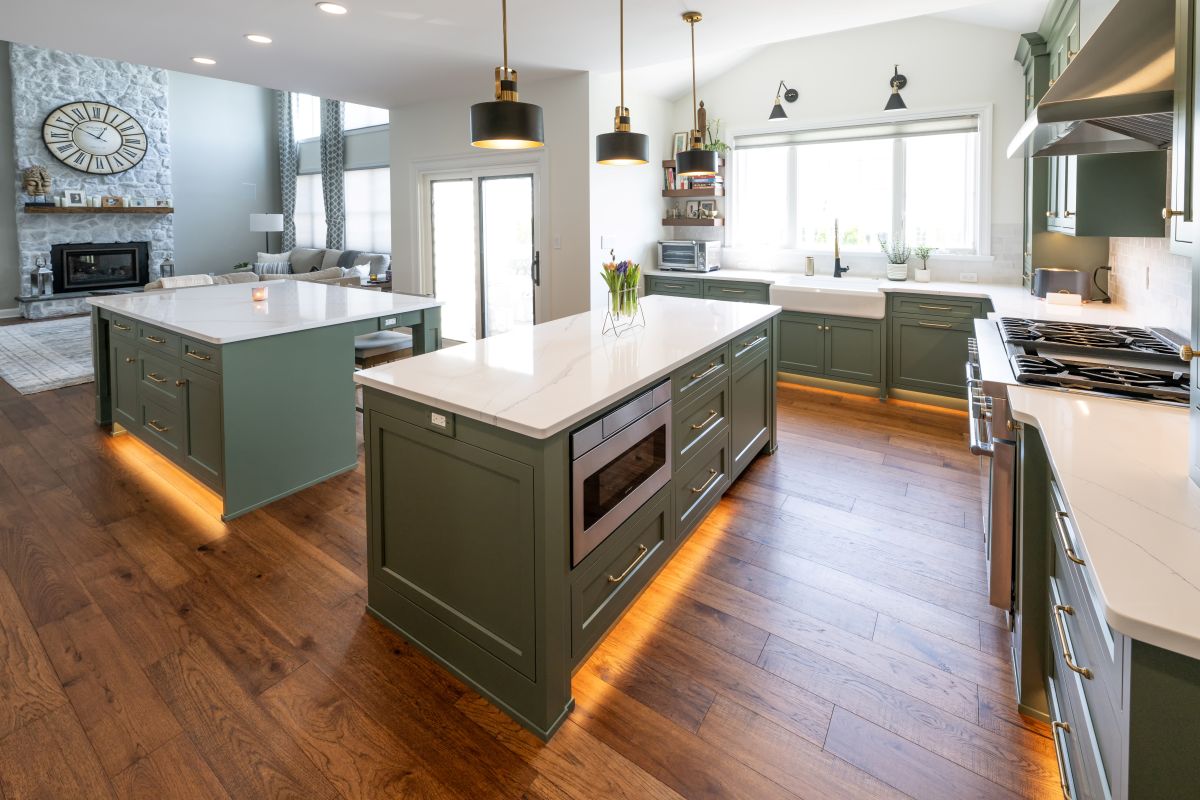
An elegant culinary space demonstrating affordable kitchen and bathroom remodeling, featuring beautifully crafted double kitchen islands with inset custom cabinet doors and integrated storage.
Photography by Lisa Lake Creative

Exploring Funding When Building a New Home

For those choosing to construct their dream property from the ground up, kitchen remodel financing in Pennsylvania takes a slightly different form. Instead of traditional home equity or renovation loans, new home builds are typically funded through New Build or Construction-to-Permanent Loans.

These specialized loans provide short-term capital specifically meant to cover the cost of the land, the labor, and the building materials. As your contractor reaches specific milestones—such as pouring the foundation, framing the house, and finally installing your bespoke kitchen and bathroom cabinetry—the lender releases funds in “draws.” During this construction phase, borrowers generally only pay interest on the funds that have been drawn. Once the house is fully completed and ready for move-in, the loan automatically converts into a standard permanent mortgage.

This structure is perfect for ensuring that top-tier, site-specific woodwork can be seamlessly integrated into the architectural plans from day one.

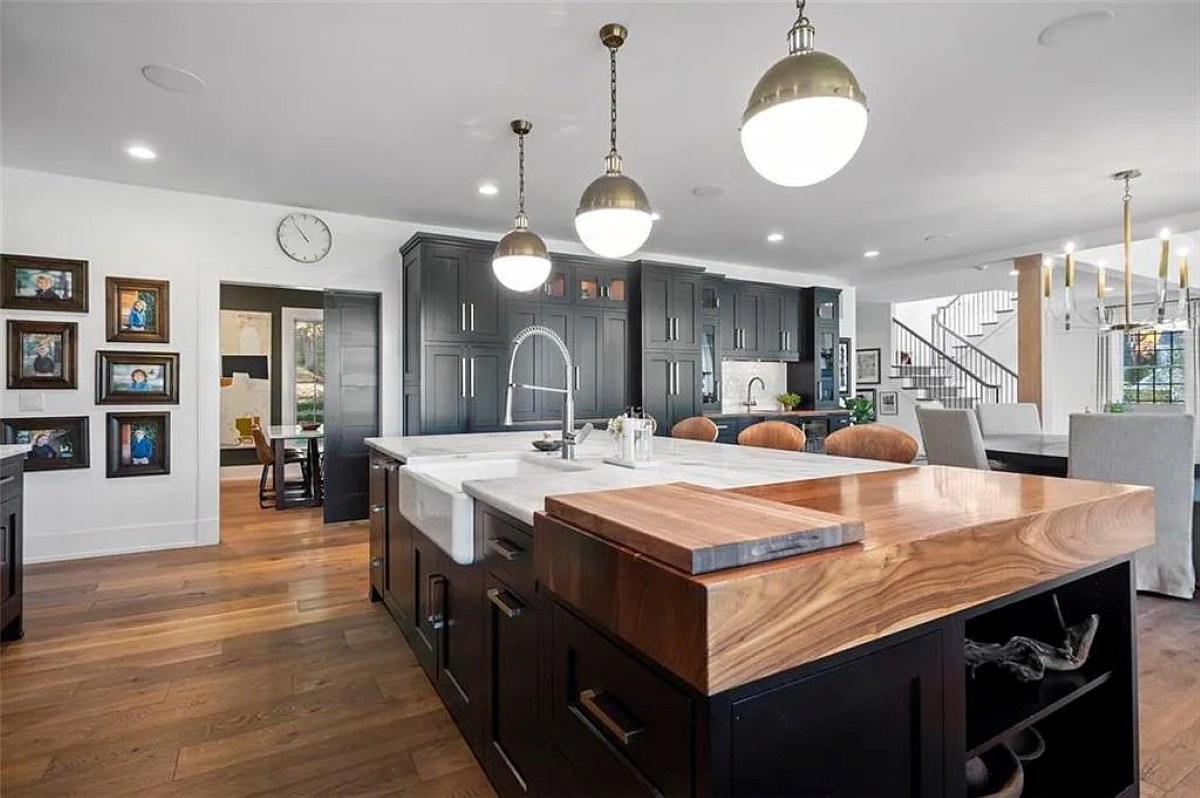
A sophisticated open-concept design made possible by a zero percent financing kitchen remodel, highlighting beautiful butcher block countertops seamlessly integrated with rich, furniture-grade custom cabinetry finishes.
Design by Swine Design LLC

Maximizing the ROI of Your Kitchen Remodel Financing in Pennsylvania

When you successfully secure your ideal kitchen remodel financing in Pennsylvania, the next critical step is ensuring those funds are allocated toward elements that guarantee longevity, durability, and a seamless daily experience. Investing in the highest quality materials ensures your space will not only look incredible, but will also stand up to a lifetime of heavy entertaining and everyday routines.

When maximizing the ROI of your kitchen remodel financing in Pennsylvania, you should guarantee a lifetime finish by investing in the following premium materials and custom cabinetry features:

  • Dovetail Drawer Boxes: Essential for unmatched structural integrity, these joints prevent your drawers from separating or degrading under the weight of heavy pots and cast-iron pans.
  • Soft-Close Hardware: Premium hinges and undermount glides provide a silent, seamless, and luxurious feel every time you interact with your cabinetry.
  • Natural Stone and Quartz Surfaces: Top-tier materials like Cambria Quartz are ideal for sweeping, full-height backsplashes and striking, continuous waterfall island edges that resist scratching and staining.
  • On-Site Custom Millwork: Utilizing fully custom cabinetry delivers exceptional, furniture-grade finishes and eliminates the need for unsightly filler panels, ensuring a perfect, wall-to-wall fit.

You can see the difference these premium materials make by exploring examples of high-end kitchen remodeling in Allentown, PA in our Portfolio. Furthermore, extending these design principles into customized entertaining zones, such as dedicated bar cabinetry, ensures that your home’s architecture flows cohesively from room to room, maximizing your overall investment.

Frequently Asked Questions (FAQ)

What is the best way to secure kitchen remodel financing in Pennsylvania?

The best approach depends entirely on your financial goals. Partnering with your remodeling contractor to use promotional plans (like GreenSky) is often the fastest and most convenient method. Alternatively, tapping into your home’s equity through a HELOC can provide low-interest capital for comprehensive, luxury upgrades.

How do renovation mortgages work when buying a home?

Renovation mortgages, such as the FHA 203(k) or Fannie Mae HomeStyle loan, allow you to combine the purchase price of the home and the estimated cost of your custom renovations into one single 30-year mortgage. The loan is based on the future appraised value of the home after the remodeling is complete.

Does Laslo Custom Kitchens offer financing plans directly to homeowners?

Yes. Laslo Custom Kitchens proudly partners with GreenSky to offer homeowners highly flexible kitchen remodel financing in Pennsylvania. We offer a “No Interest If Paid in Full” option—which serves as a smart zero percent financing kitchen remodel strategy if the balance is paid within the promotional window—as well as a “Long Term Fixed Rate Financing” plan to provide you with comfortable, predictable monthly payments.

Take the Next Step with Laslo Custom Kitchens

Ready to start planning your dream space with confidence? Understanding your financial options is the first step toward a breathtaking, custom-tailored home. At Laslo Custom Kitchens, our experienced design and install team creates flawless, high-end environments built exactly for how you live. Schedule a consultation, visit our Lehigh Valley showroom, or call 610-600-9528 to speak with our experts today and discover which financing path is right for your next project.